

Sand Casting
Why Choose Us
Rich Experience
Taiyuan Simis Investment Casting Co., Ltd was established in 2004. After 15 years of development, it has developed from a single precision casting factory to a comprehensive mechanical product supplier that can provide precision casting, sand casting, die casting and precision machining parts.
Professional Team
Our company has 3 professor-level engineers, 5 senior engineers, 12 junior engineers, 20 inspectors and about 350 workers.
Quality Control
There are one precision casting factory, one sand casting factory, one die casting factory and two machining factories.After the unremitting efforts of our all employees, our company has passed ISO, TS16949, TUV and other quality certifications.
High Quality
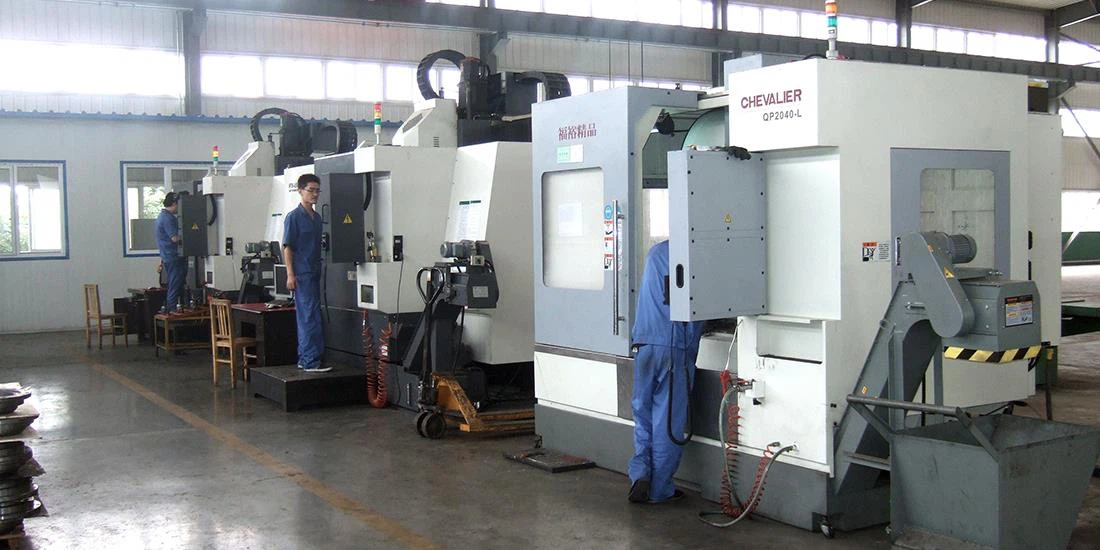
We have the ability to machining the difficult products, equipped with imported 4-axis and 5-axis CNC centers and various types of CNC machining equipment, supporting ultrasonic cleaning and CMM inspection.
Sand casting, also known as sand molded casting, is a metal casting process characterized by using sand—known as casting sand—as the mold material. The term "sand casting" can also refer to an object produced via the sand casting process. Sand castings are produced in specialized factories called foundries. In 2003, over 60% of all metal castings were produced via sand casting.
-
![Cast Steel Elbow Casting]() Cast Steel Elbow CastingHigh-integrity cast steel elbows engineered for directional flow changes in high-pressure and high-temperature industrial piping networks.read more
Cast Steel Elbow CastingHigh-integrity cast steel elbows engineered for directional flow changes in high-pressure and high-temperature industrial piping networks.read more -
![Cast Steel Equipment Support Casting]() Cast Steel Equipment Support CastingHeavy equipment demands rigid, vibration-absorbing structural foundations. Our cast steel equipment support castings are engineered for heavy industrial machinery operating under severe static and...read more
Cast Steel Equipment Support CastingHeavy equipment demands rigid, vibration-absorbing structural foundations. Our cast steel equipment support castings are engineered for heavy industrial machinery operating under severe static and...read more -
![Cast Steel Wear Plate Casting]() Cast Steel Wear Plate CastingHeavy-duty, custom-cast steel wear plates engineered to withstand severe impact, sliding abrasion, and high-stress industrial environments.read more
Cast Steel Wear Plate CastingHeavy-duty, custom-cast steel wear plates engineered to withstand severe impact, sliding abrasion, and high-stress industrial environments.read more -
![Cast Steel Coupling Guard Casting]() Cast Steel Coupling Guard CastingHeavy-duty industrial cast steel coupling guards engineered to enclose rotating drive components, prevent foreign object interference, and meet mandatory machinery safety standards (OSHA/CE guard...read more
Cast Steel Coupling Guard CastingHeavy-duty industrial cast steel coupling guards engineered to enclose rotating drive components, prevent foreign object interference, and meet mandatory machinery safety standards (OSHA/CE guard...read more -
![Cast Steel Valve Disc Casting]() Cast Steel Valve Disc CastingCast steel valve discs serve as critical internal control elements in industrial valves, regulating or shutting off fluid flow under high pressure and temperature. Built for OEM valve...read more
Cast Steel Valve Disc CastingCast steel valve discs serve as critical internal control elements in industrial valves, regulating or shutting off fluid flow under high pressure and temperature. Built for OEM valve...read more -
![Cast Steel Yoke Casting]() Cast Steel Yoke CastingCast steel yokes serve as critical load-bearing and torque-transmitting components in heavy-duty mechanical systems.read more
Cast Steel Yoke CastingCast steel yokes serve as critical load-bearing and torque-transmitting components in heavy-duty mechanical systems.read more -
![Cast Steel Pipe Support Casting]() Cast Steel Pipe Support CastingEngineering-grade steel castings built for high-load, thermal-movement industrial piping systems. Manufactured to custom drawings with full material, NDT, and CAD/CAE traceability.read more
Cast Steel Pipe Support CastingEngineering-grade steel castings built for high-load, thermal-movement industrial piping systems. Manufactured to custom drawings with full material, NDT, and CAD/CAE traceability.read more -
![Cast Steel Bearing Pedestal Casting]() Cast Steel Bearing Pedestal CastingHeavy-duty cast steel bearing pedestals engineered for critical industrial drive systems and high-load rotating equipment.read more
Cast Steel Bearing Pedestal CastingHeavy-duty cast steel bearing pedestals engineered for critical industrial drive systems and high-load rotating equipment.read more -
![Crusher Frame Casting]() Crusher Frame CastingHeavy-duty structural component engineered for jaw, cone, and gyratory crushers. Built to withstand high-magnitude dynamic shock loads, intense compression forces, and continuous abrasive wear in...read more
Crusher Frame CastingHeavy-duty structural component engineered for jaw, cone, and gyratory crushers. Built to withstand high-magnitude dynamic shock loads, intense compression forces, and continuous abrasive wear in...read more -
![Heavy Equipment Base Casting]() Heavy Equipment Base CastingHeavy Equipment Base Castings provide the structural rigidity and vibration dampening required for high-load industrial machinery.read more
Heavy Equipment Base CastingHeavy Equipment Base Castings provide the structural rigidity and vibration dampening required for high-load industrial machinery.read more -
![Large Cast Steel Valve Bonnet Casting]() Large Cast Steel Valve Bonnet CastingHeavy-wall cast steel valve bonnets engineered for high-pressure industrial valve assemblies. Produced via sand casting and precision CNC machining, these bonnets provide structural integrity and...read more
Large Cast Steel Valve Bonnet CastingHeavy-wall cast steel valve bonnets engineered for high-pressure industrial valve assemblies. Produced via sand casting and precision CNC machining, these bonnets provide structural integrity and...read more -
![Cast Steel Pump Support Casting]() Cast Steel Pump Support CastingThe cast steel pump support casting provides a rigid mounting foundation for industrial centrifugal, slurry, and vertical turbine pumps.read more
Cast Steel Pump Support CastingThe cast steel pump support casting provides a rigid mounting foundation for industrial centrifugal, slurry, and vertical turbine pumps.read more


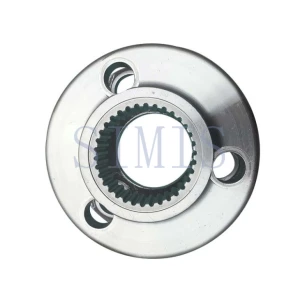


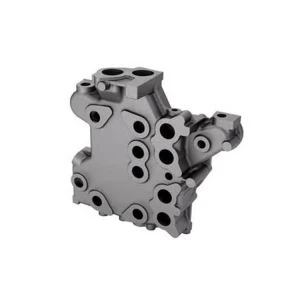


Sand casting is a process where molten metal is cast in a mould made from a sand mixture. In the past, the process was cost effective only for small volume production. But nowadays it is also suitable for high volume production thanks to automated equipment for making sand moulds.
Sand castings generally have a rough surface sometimes with surface impurities, and surface variations. Medium to large parts such as valve bodies, crankshafts and engine blocks are typically manufactured by this process. The dimensional accuracy and surface finish of the casting depend on the type of sand and the moulding process.
There are two main types of sand used for moulding: green sand and dry sand. Green sand consists of silica sand, clay, moisture and other additives. Dry sand is a mixture of sand and fast curing adhesive. When dry sand is used, it is often referred to as no bake mould casting or air set sand casting. Castings made from coarse green sand typically have a rough surface whilst air-set moulds can produce castings with much smoother surfaces.
A pattern is made in the shape of the desired part, but enlarged to account for shrinkage and machining allowances in the final casting. The pattern is typically made from wood or plastic, and can be reused to produce new sand moulds. Sand cores can be used to form the inside shape of hollow parts of the casting.
A metal box (the flask) is used for making the sand mould. It typically consists of two halves to form the top and bottom parts of the mould, termed cope and drag respectively. The pattern is placed in the flask, and then packed with sand mixture forming a mould cavity. If necessary, a temporary plug is placed to form a channel for pouring the cast metal (so-called a sprue). After that, the pattern and channel plug are removed leaving the mould cavity and pouring channel. The cope and drag are prepared separately and assembled afterwards to form a mould.
The molten metal is poured into the mould through a sprue, which transmits the molten metal via runners into the mould cavity. After the cast metal has solidified and cooled, the casting is taken out from the sand mould. Generally, no mould release agent is used and the sand mould is destroyed in the removal process. Green sand can be reused after adjusting its composition by compensating the lost moisture and additives.
Advantages of Sand Casting


Sand casting offers several remarkable advantages for manufacturing custom metal parts: unparalleled design flexibility, a vast array of material choices, and cost-effectiveness in tooling.
Design Flexibility
The sand casting process empowers manufacturers with an exceptional level of creative freedom.
It allows them to create complex part geometries and intricate details that may be challenging to achieve with other manufacturing methods.
This flexibility is primarily attributed to the mold-making process, where patterns are formed in sand molds to create the desired shapes.
Another major advantage that the process offers when it comes to design flexibility is its adaptability to design modifications.
Unlike the permanent molds used in some other casting processes, sand molds can be easily altered or replaced to accommodate design changes.
The sand mold's agility and flexibility are particularly advantageous in industries where product iterations and customization are common.
Large Material Choice
Another significant advantage of sand casting is its compatibility with a diverse range of metals and alloys.
Sand casting offers manufacturers the flexibility to choose materials that best suit the application's requirements.
The process can accommodate both ferrous metals, like iron and steel, and non-ferrous metals such as aluminum, copper, and brass.
Such versatility in material selection enables manufacturers to tailor the mechanical properties, corrosion resistance, and other characteristics of the final product to meet specific performance criteria.
Due to this freedom to use a variety of materials, the process is regularly used to create metal parts for a variety of applications, ranging from structural components and decorative elements to functional parts—all without compromising design integrity.
Low Tooling Costs
Last but not least is sand casting's cost-effectiveness when it comes to tooling.
Unlike some other casting processes that require expensive molds or dies, sand casting molds are typically made from inexpensive materials like sand, clay, and binders, making the process an attractive option for both prototyping and production runs.
Additionally, the process contributes to shorter lead times and faster turnaround because of the simplicity of the mold-making process it employs.
This agility enables manufacturers to quickly adapt to changing market demands and accelerate product development cycles without incurring substantial upfront costs.
Take for example the foundry industry, where rapid prototyping and low-volume production are common.
Within this environment, sand casting is often chosen to produce metal components.
Foundry managers can leverage inexpensive materials and better streamline the manufacturing processes by using this method, allowing them to offer more competitive pricing while maintaining high-quality standards.
3 Types of Sand Casting
Green Sand
Green sand castings are formed using sand molds formed from wet sand that contains water and organic bonding compounds, also known as clay. The term Green Sand refers to the sand mold not being "set" or "green" or "uncured" when the metal is poured into the mold. Because the sand can be reused, sand casting with green sand is easy and inexpensive.
Water Glass or Sodium Silicate
Sodium silicate can be used to create sand mold castings. This process is beneficial in sand casting, where a cavity is required. Sodium Silicate can quickly go from a liquid to a solid by passing carbon dioxide through it. This causes the sodium silicate to dehydrate. Sodium silicate must be mixed with other materials so the core can be removed during product break down. If the mixture isn't correct, the core will become stuck within the casting.
Resin Sand
The molding material for resin sand casting is a blend of quartz sand and resin sand. When resin sand is mixed and heated, it hardens into a solid, smooth mold. A solid mold produces fewer faulty castings, but it comes at a
greater cost and a slower production rate. Resin sand molds take longer to make because each one must be mixed and burned individually.
Porosity or Permeability
It is the ability of sand by which it allows the gases to pass through it easily.
Some gases gets dissolved in molten metal and when this molten metal starts to solidify, these dissolved gases comes out of the molten metal and try to escape out of the moulding sand. If the sand is not enough porous than these gases will not be able to go out of the mould and gets trapped into the casting and produces holes and pores in metal casting. Also if the molten metal comes in contact with the moist sand, steam or water vapor is produced. This steam or vapors also results in the formation of holes in the casting if they do not able to escape out of the mould. So it is advised to use sufficiently porous moulding sand to eliminate the porosity defect in metal casting.
Flowability
The ability of moulding sand to behave like a fluid when it is rammed is called flowability.
Due to this property the sand can easily occupy the space in molding box and take up its shape. This allows the sand to compress to a compact density and let it pack around the pattern. The sand should be of high flowability, so that it can be easily compacted for uniform density and to obtain a good impression of the pattern in the mould. The flowability of the sand can be increases as we increases the clay and water content in the sand.
Collapsibility
The ability of the moulding sand to collapse after solidification of the molten metal is called collapsibility.
After the solidification of molten metal, the sand should get collapse for free contraction of the metal. If free contraction of the metal will happen than if eliminates naturally the tearing or cracking of the contracting metal.
Adhesiveness
The ability of the sand particles to get stick with another body is called adhesiveness.
The sand should have sufficient adhesiveness so that it can easily get cling to the sides of the moulding boxes and does not fall out to the box when it is removed.
Cohesiveness or Strength
The ability of the sand particles to stick with each other is called cohesiveness.
The strength of the sand depends upon how cohesive the sand particles are. The sand should have sufficient strength so that it can easily capable to retain its shape during conveying, turning or closing and pouring. If it is not of appropriate strength than it will not be able to hold its shape and the mould may damage during pouring of molten metal. Low strength sand leads to pouring casting defects in metals. To avoid pouring defects, the sand should be of sufficient strength to produce mold of desired shape and also retain this shaped even when the molten metal is poured in the moulding cavity.
The sand strength can be of two types
Green strength: The strength of sand possessed by it in its green or moist state is called green strength. The mould with adequate green strength retains its shape and do not collapse even when the pattern is removed from the moulding box.
Dry strength: The strength possessed by the sand in its dry or baked state is called dry strength. Enough dry strength allows the sand to withstand erosive forces due to molten metal and helps to retain its shape.
Refractoriness
The ability of the moulding sand to withstand the high temperature of the molten metal without fusing into it is called refractoriness.
The moulding sand must have enough refractoriness property to produce excellent quality of casting free from defects. The sand with lack of refractoriness melts and gets fuse in the casting and spoils the quality of the cast metal. The refractoriness is the measure of sinter point of the sand not its melting point.
Some of the important design considerations for sand casting are given below.
1. To avoid shrinkage and prevent stress concentration, each intersecting point must be filleted.
2. The gating system must be designed appropriately for the proper transfer of molten metal into the mould cavities.
3. The parting line should be horizontally flat and positioned as low as possible.
4. Machining allowance should be kept in mind while casting that is normally in the range of 1.5 mm to 6 mm.
5. The draft angle is normally taken between 3° to 5°.
6. The minimum section thickness is typically 5 mm (about 0.2 in) for light nonferrous alloys and 6 mm for ferrous alloy.
7. The cast object's weight may range from 0.5 to 20,000 kg (about 44092.4 lb) with a minimum run weight of 300 kg (about 661.39 lb).

Our Certificate
Our company has passed ISO9001, TS16949, TUV and other quality certifications.

Our Factory
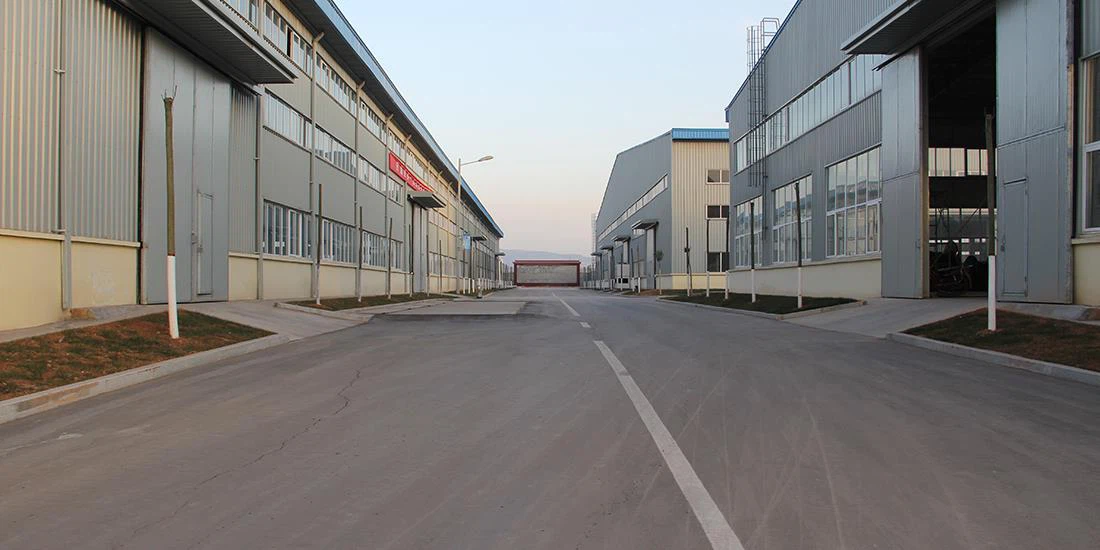
Taiyuan Simis Investment Casting Co., Ltd was established in 2014. After 15 years of development, it has developed from a single precision casting factory to a comprehensive mechanical product supplier that can provide precision casting, sand casting, die casting and precision machining parts. Our company has 3 professor-level engineers, 5 senior engineers, 12 junior engineers, 20 inspectors and about 350 workers. There are one precision casting factory, one sand casting factory, one die casting factory and two machining factories. After the unremitting efforts of our all employees, our company has passed ISO, TS16949, TUV and other quality certifications.
Our sales have gradually increased from the original 3 million RMB to the current 50 million RMB.
We understand the design and quality requirements of foreign customers for mechanical products. About 85% of our products are exported to North America, Europe and around the world.




FAQ
Q: What is sand casting and how does it work?
Q: What is the meaning of sand cast?
Q: Why do people use sand casting?
Q: What is an advantage of sand casting?
Q: What is the objective of sand casting?
Q: What are the three types of sand casting?
Q: Is casting and sand casting same?
Q: What are the 4 types of patterns used in sand casting?
Q: What are the main parts of sand casting?
The sand casting process is a casting method in which sand is the primary modeling material used to prepare the mold. And it is a traditional casting method.
Sand preparation.
Pattern making.
Molding.
Melting.
Molten metal pouring.
Sand removal.
Grinding.
Q: What can I use for sand casting?
Q: What are the basic elements of sand casting?
Q: Is sand casting used today?
Q: Why is sand casting expensive?
Q: When to use sand casting?
Q: How accurate is sand casting?
Q: What are the two parts of sand casting?
Q: What is the conclusion of sand casting?
Q: What are the tools used in sand casting?
Q: What is the process of sand casting?
Q: What are the properties of sand casting?
Flowability : The ability of moulding sand to behave like a fluid when it is rammed is called flowability.
Collapsibility.
Adhesiveness.
Cohesiveness or Strength.
Refractoriness.
Find professional sand casting manufacturers and suppliers in China here. Please feel free to buy high quality sand casting at competitive price from our factory. For customized service, contact us now.