

Aluminum Die Casting
Why Choose Us
Rich Experience
Taiyuan Simis Investment Casting Co., Ltd was established in 2004. After 15 years of development, it has developed from a single precision casting factory to a comprehensive mechanical product supplier that can provide precision casting, sand casting, die casting and precision machining parts.
Professional Team
Our company has 3 professor-level engineers, 5 senior engineers, 12 junior engineers, 20 inspectors and about 350 workers.
Quality Control
There are one precision casting factory, one sand casting factory, one die casting factory and two machining factories.After the unremitting efforts of our all employees, our company has passed ISO, TS16949, TUV and other quality certifications.
High Quality
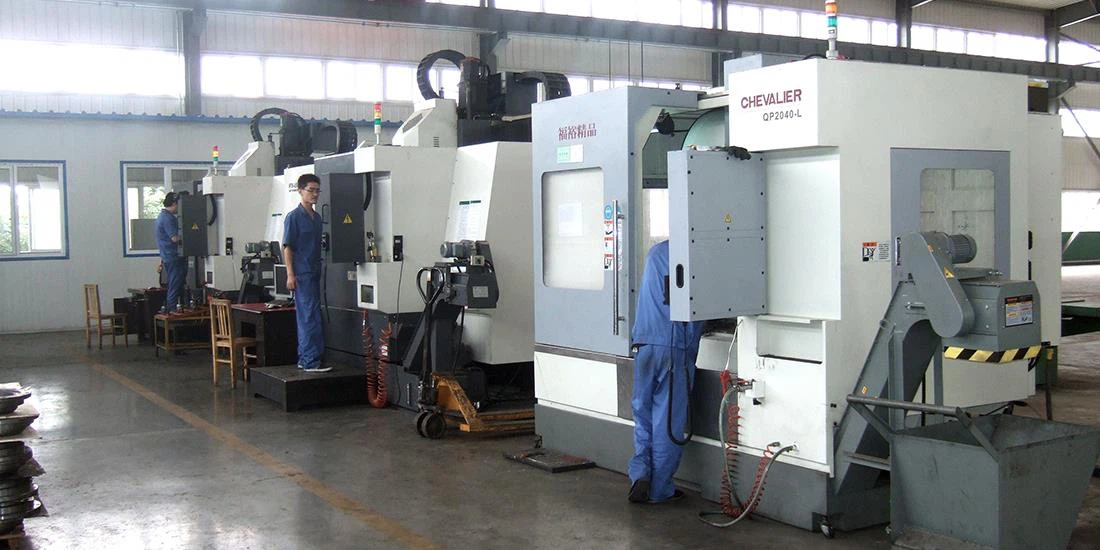
We have the ability to machining the difficult products, equipped with imported 4-axis and 5-axis CNC centers and various types of CNC machining equipment, supporting ultrasonic cleaning and CMM inspection.
Aluminum die casting is a manufacturing process that produces accurately, defined, smooth and textured-surfaced metal parts. Accomplished by forcing molten metals into a mold form due to high-pressure systems. Corrosion resistant. Highly conductive. Have a good stiffness and strength-to-weight ratio.
-
![Aluminum Die Casting Services]() Aluminum Die Casting ServicesDiscover advanced aluminum die casting solutions for automotive, aerospace & electronics. Get precision components with excellent strength-to-weight ratio & fast lead times.read more
Aluminum Die Casting ServicesDiscover advanced aluminum die casting solutions for automotive, aerospace & electronics. Get precision components with excellent strength-to-weight ratio & fast lead times.read more -
![Die Casting Motor Base]() Die Casting Motor BaseOur motor base is made by aluminum die casting. We can supply CNC machining and surface treatment as customer's requirements.read more
Die Casting Motor BaseOur motor base is made by aluminum die casting. We can supply CNC machining and surface treatment as customer's requirements.read more


One of the most significant benefits of aluminum die casting is that it creates lighter parts—with more surface finishing options than other die cast alloys, including aluminum anodize. Additional advantages associated with aluminum die casting include:
● Large and complex part production
● Excellent surface finish and accuracy
High strength parts
High production rate
Low labor cost
Lightweight
High operating temperatures
Outstanding corrosion resistance
Good stiffness and strength-to-weight ratio
Superior EMI and RFI shielding properties
Excellent thermal conductivity
High electrical conductivity
Good finishing characteristics
Full recyclability
The first step in an aluminum die casting operation is to crush, shred, and sort the raw material. Then, the raw material is melted, by use of coreless and channel induction furnaces, crucible and open-hearth reverberatory furnaces fired by fuel oil or natural gas, or electric resistance and electric radiation furnaces. Air flows from the furnaces to wet scrubbers. Furnace temperatures are in the range of 425°F to 600°F.
Next, salts are added to remove oxides from the melt and then hydrogen, which causes voids in the product casting, is removed by addition of dry, chemically pure nitrogen, argon, or chlorine.
The next step is to lubricate the die, which is normally done by automatic spray. Then, the molten metal is injected into the mold. Cold chamber processing is typically used for die casting aluminum. Processes referred to as gating and risering are sometimes used to minimize shrinkage and to produce directional solidification.
Quenching in a water bath is then used to rapidly cool the casting to room temperature. Oil, salt baths, and various organic solutions are alternative quenching solutions, but water is most often used. After quenching, the casting is sometimes "heat treated" by holding the casting at a temperature of 95°C to 260°C. This process is sometimes referred to as "aging." Finally, the casting is cleaned by use of alkaline and/or acid solutions.
Application of Aluminum Die Casting


There are number of gadgets in your home, office, transportation and surrounding that uses, to some extent, aluminum die casting parts. But depending on their market share and dominance in certain sectors, here are few applications of aluminum die casting;
Vehicles
One of the largest industries that uses aluminum die castings in abundance is the automotive industry. From the earliest days, the need for vehicles to be light and efficient has been clear. Fuel economy, vehicle longevity, repairability and, more recently, emissions all relate in some way to weight. While carbon fiber is becoming more mainstream in manufacturing, aluminum die casting is still the preferred method for producing parts for engines, axles and other connecting elements. Considering the number of vehicles produced each year, it is easy to see why the automotive industry is one of the largest consumers of aluminum die castings.
Construction
The world of construction is vast, and with the integration of modern technologies, the home itself is becoming smarter. Previously, aluminum die casting was used to produce window frames, building frames and some lighting fixtures. But more and more the application of aluminum die casting parts in construction has increased. The electrical conductivity and heat flow is a primary reason why aluminum is a go-to favorite material in construction environment.
Electronics
But with the turn of the decade came a course correction, as phones became modern computers with needs for extreme processing and calculations, they started to get hot. The solution was simple: Aluminum cases and aluminum parts that acted as heat sinks. They were light and durable to go along with the heat sinks, so it was an obvious solution. But that is not to say that phones are the only electronics to use aluminum die cast parts, from fluorescent lights to washing machines, you can find aluminum parts everywhere.
Energy and mining
Wind energy is becoming an ever present and increasingly necessary aspect of power generation in recent times. There are a growing number of companies currently manufacturing wind turbines, equipment for storing and transporting the energy generated by such plants, and aluminum die castings are playing their part in creating lightweight, electrically conductive parts. Even in old school mining operations, the need for lightweight equipment cannot be overstated. From drills to custom drilling and mining machinery, it would be hard to find less than 20 parts made from aluminum die castings.
Aerospace
Nowhere is the need for lightweight, corrosion-resistant parts greater than in aircraft and spacecraft. The first manned mission to the moon that successfully landed, the decent vehicle that touched the lunar surface had parts made of aluminum die casting. Even now, the propellers of airplanes and other important parts of airplanes are made of die-cast aluminum. The application of aluminum die casting parts in the manufacturing of airplanes or rockets cannot be underestimated.
Furniture and decoration
Not only in the construction of a home, the application of aluminum die casting parts can also be found within the home. From lightweight tables to bookcases, from low-hanging light fixtures to table stands, there are opportunities for aluminum die-cast products in every room. Because aluminum die casting is cheaper and more reliable, while providing the same functionality as other materials, there has been a recent boom in the use of aluminum profiles and aluminum die casting parts.
Aluminum remains the heavy favorite contender for an unexpected reason: its light weight! The metal is prized for its ability to create extremely lightweight components without sacrificing strength. Aluminum die casting can create a great range of surface finishes, as well. You can go with a smooth finish to give your products a nice aesthetic sheen or, if desired, a more textured surface.
Aluminum die casting has a higher startup cost than some other processes because of a lengthy tooling process. However, the process can produce less expensive per-unit costs over the long term, especially for mass production, because less machining is required per unit.
This is because lubrication of the die keeps things cool, reducing concern over high temperatures, which can lead to metal burning. That lubrication makes it easier to remove the freshly cast metal products, too.

Aluminium is one of the most popular materials used in die casting as it offers a good balance of strength and weight. It's also resistant to corrosion and affordable, making it an excellent choice for outdoor applications.
AC 46100
AC 46100 is an aluminium alloy that's widely used for die casting. It offers good weldability, strength, and hardness. This alloy also has excellent resistance to corrosion and wear, making it a good choice for applications that require these properties.
AC 46100 is not suited for applications that require high temperatures as it has a lower melting point.
AC 46500
AC 46500 aluminium alloy is a high-strength aluminium alloy mainly used to produce die cast parts. Its properties include high ductility, good corrosion resistance, and a high strength-to-weight ratio.
Typical AC 46500 aluminium alloy applications include automotive parts, electrical components, and industrial machinery. It is also often used in aerospace due to its high strength and corrosion resistance.
ADC 12
ADC 12 offers good weldability and corrosion resistance in die cast parts. It also has a higher melting point than AC 46100, making it a better choice for high-temperature applications. However, this alloy is not as strong as AC 46100 and is more expensive.
ADC 10
ADC 10 is the most commonly used aluminium alloy for die casting precisely machined parts. ADC 10 die cast parts possess high durability, strength, and versatility. This grade is also popular due to its anti-soldering properties and excellent machinability. Automotive, sports equipment, electronics, toys, printer parts, and instruments are some of the most common applications of ADC 10.
A380
A380 aluminium alloy offers high strength and ductility, making it an ideal choice for various applications. It also has excellent resistance to corrosion and wears, making it a good choice for die castings that will be exposed to harsh conditions.
In addition, A380 is easy to machine and can be welded and repaired. Some of the most common uses for A380 aluminium alloy include engine blocks, transmission cases, and structural components.
A360
This aluminium grade is generally used for parts that require excellent fluidity and pressure tightness. Products manufactured using A360 aluminium alloy possess high tensile strength and corrosion resistance even at high temperatures. This grade is more ductile than most aluminium alloys and is mainly used to manufacture parts for high-impact applications.
Al-Si8Cu3
Al-Si8Cu3 aluminium alloy is a high-strength, corrosion-resistant material that is often used to produce die-cast parts for the aerospace industry. It has a low density and high strength-to-weight ratio. Al-Si8Cu3 also has excellent resistance to fatigue and crack growth. In addition, the alloy's low thermal expansion coefficient makes it ideal for use in high-temperature applications.
Al-Si11Cu3
The composition of Al-Si11Cu3 is aluminum (Al) – 90.5%, silicon (Si) – 10.0%, copper (Cu) – 3.0%. With a tensile strength of 310 MPa and a melting point of 577°C, it offers good castability and is easy to machine. Al-Si11Cu3 is used in the automotive industry for wheels and other parts that require high strength and good corrosion resistance. It is also used in the electrical and electronics industries for connectors and other parts that need good electrical conductivity.
Basic and Advance Principles of the Die Casting Process

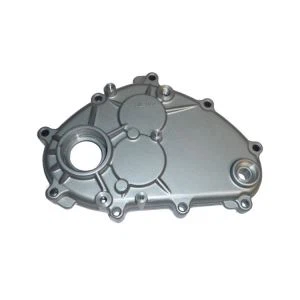

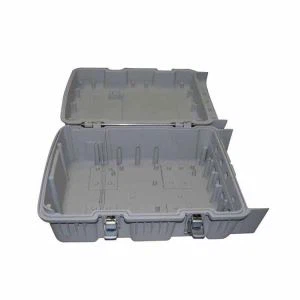
Aluminum die casting, while seemingly simple, involves a complex interplay of physics, material properties, and engineering know-how. Let's delve into the core principles that govern this process, from fundamental mechanics to cutting-edge advancements.
Basic principles
1. Mold design
The heart of die casting lies in the reusable steel mold. It features cavities that define the final part shape, along with runner and gating systems for molten metal flow control. Optimizing parting lines, draft angles, and cooling channels are crucial for efficient production and high-quality parts.
2. Metal preparation
Molten aluminum, typically an alloy with specific properties tailored to the application, is heated in a furnace to a precise temperature. Controlling temperature and impurities is essential for optimal casting performance and part quality.
3. Injection and solidification
The molten metal is injected into the mold cavity under high pressure. Rapid cooling solidifies the metal, taking the shape of the mold. Pressure, injection speed, and cooling rate significantly impact the microstructure and properties of the final part.
4. Ejection and finishing
Once solidified, the part is ejected from the mold. Trimming, machining, and other finishing processes may be required to achieve the desired final dimensions and surface finish.
Advanced principles
1. Vacuum die casting
This technique involves evacuating air from the mold cavity before injection, minimizing trapped air and porosity in the final part, leading to improved strength and ductility.
2. Semi-solid metal casting
This advanced process injects a semi-solid slurry of aluminum crystals and liquid metal, resulting in finer grain structures and reduced shrinkage, enabling the production of complex, thin-walled parts.
3. Rapid heat cycle die casting
This method utilizes rapid heating and cooling cycles to achieve faster solidification rates, leading to enhanced mechanical properties and reduced cycle times.
4. Simulation and optimization
Die casting simulations using advanced software predict metal flow, solidification patterns, and potential defects, allowing for optimized mold design and process parameters for improved quality and efficiency.
Our Certificate
Our company has passed ISO9001, TS16949, TUV and other quality certifications.

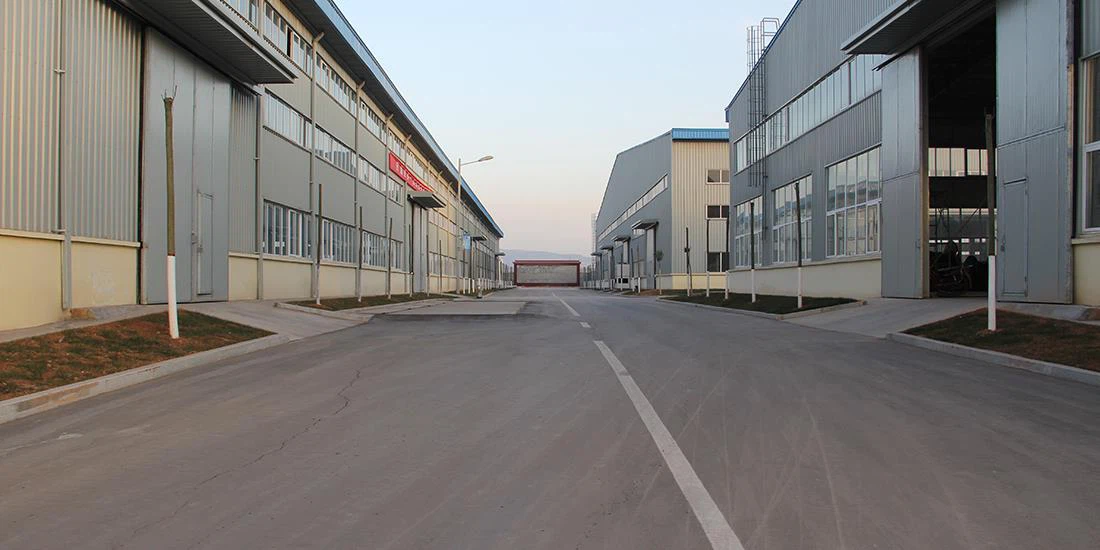
Our Factory
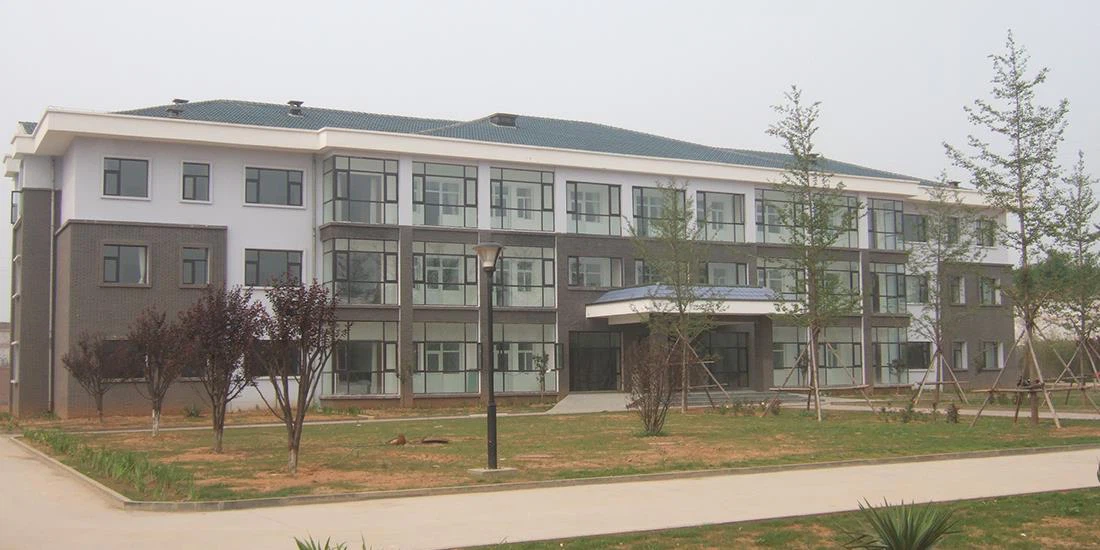
Taiyuan Simis Investment Casting Co., Ltd was established in 2014. After 15 years of development, it has developed from a single precision casting factory to a comprehensive mechanical product supplier that can provide precision casting, sand casting, die casting and precision machining parts. Our company has 3 professor-level engineers, 5 senior engineers, 12 junior engineers, 20 inspectors and about 350 workers. There are one precision casting factory, one sand casting factory, one die casting factory and two machining factories. After the unremitting efforts of our all employees, our company has passed ISO, TS16949, TUV and other quality certifications.
Our sales have gradually increased from the original 3 million RMB to the current 50 million RMB.
We understand the design and quality requirements of foreign customers for mechanical products. About 85% of our products are exported to North America, Europe and around the world.



FAQ
Q: What is aluminum die casting?
Q: What is the density of aluminium die casting material?
Q: How thick is aluminum die casting?
Q: Can aluminum die-casting produce various shapes of parts?
Q: Is aluminum die-casting recyclable?
Q: Is aluminum die casting safe?
Q: What are the advantages of aluminium die casting?
Finished productions with exceptional surface finish.
Exemplary tensile strength.
Low-cost raw materials.
Lessening of impurities and porosity.
The molecular structure ensures dimensional tolerance without any damages.
Longevity.
Thickness precision (less than 1.5 thickness is achievable)
Q: How strong is aluminium die casting?
Q: What is the minimum thickness for aluminium die casting?
Q: How thin can you die cast aluminum?
Q: What is the pressure for aluminum die casting?
Q: What temperature is aluminium die casting?
Q: Is aluminium die casting magnetic?
Q: Does aluminium die casting rust?
Q: Is aluminium die casting strong?
Q: Is aluminum die casting expensive?
Q: Is the precision of aluminum die-casting high?
Q: Is aluminium die casting brittle?
Q: What is the minimum draft for aluminum die casting?
Q: What is the shrinkage in aluminium die casting?
Find professional aluminum die casting manufacturers and suppliers in China here. Please feel free to buy high quality aluminum die casting at competitive price from our factory. For customized service, contact us now.
aluminium low pressure die casting, aluminium die casting service factories, aluminium die casting services