

Die Casting
Why Choose Us
Rich Experience
Taiyuan Simis Investment Casting Co., Ltd was established in 2004. After 15 years of development, it has developed from a single precision casting factory to a comprehensive mechanical product supplier that can provide precision casting, sand casting, die casting and precision machining parts.
Professional Team
Our company has 3 professor-level engineers, 5 senior engineers, 12 junior engineers, 20 inspectors and about 350 workers.
Quality Control
There are one precision casting factory, one sand casting factory, one die casting factory and two machining factories.After the unremitting efforts of our all employees, our company has passed ISO, TS16949, TUV and other quality certifications.
High Quality
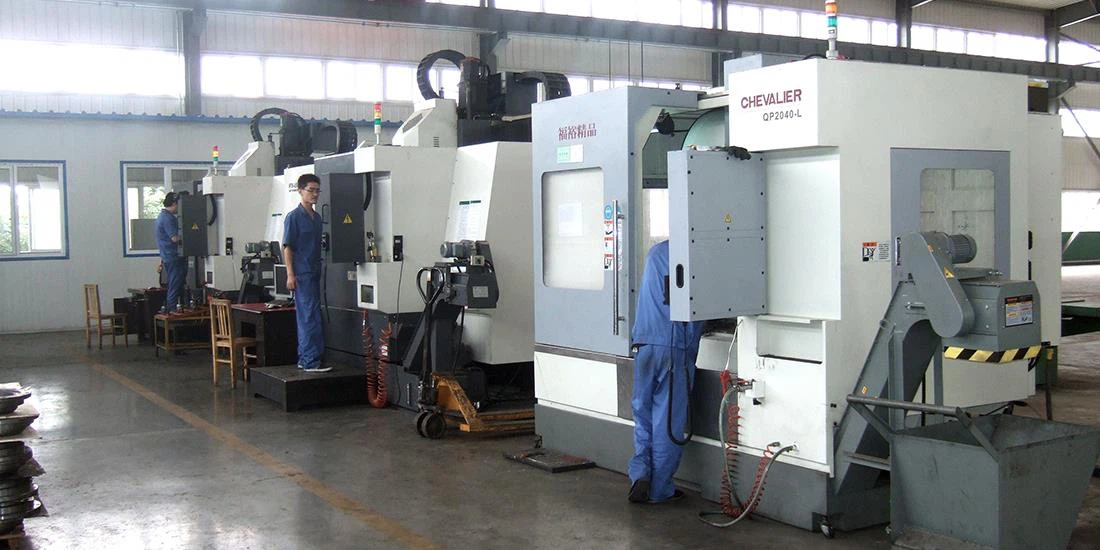
We have the ability to machining the difficult products, equipped with imported 4-axis and 5-axis CNC centers and various types of CNC machining equipment, supporting ultrasonic cleaning and CMM inspection.
Die casting is a metal casting process that is characterized by forcing molten metal under high pressure into a mold cavity. The mold cavity is created using two hardened tool steel dies which have been machined into shape and work similarly to an injection mold during the process. Most die castings are made from non-ferrous metals, specifically zinc, copper, aluminium, magnesium, lead, pewter, and tin-based alloys. Depending on the type of metal being cast, a hot- or cold-chamber machine is used.
-
![Aluminum Die Casting Services]() Aluminum Die Casting ServicesDiscover advanced aluminum die casting solutions for automotive, aerospace & electronics. Get precision components with excellent strength-to-weight ratio & fast lead times.read more
Aluminum Die Casting ServicesDiscover advanced aluminum die casting solutions for automotive, aerospace & electronics. Get precision components with excellent strength-to-weight ratio & fast lead times.read more -
![Die Casting Motor Base]() Die Casting Motor BaseOur motor base is made by aluminum die casting. We can supply CNC machining and surface treatment as customer's requirements.read more
Die Casting Motor BaseOur motor base is made by aluminum die casting. We can supply CNC machining and surface treatment as customer's requirements.read more -
![Zinc Alloy Hardware]() Zinc Alloy HardwareOur aluminum parts are mainly used in those industries of automotive, motorcycle, train, aerospace, electronic equipment, firearms and so on.read more
Zinc Alloy HardwareOur aluminum parts are mainly used in those industries of automotive, motorcycle, train, aerospace, electronic equipment, firearms and so on.read more


Types of Die Casting
The different types of die-casting processes are listed below:
Cold-chamber die casting
Cold chamber die casting is used for higher melt-point metals like aluminum and lower-volume production. The injection chamber is charged and injected with molten metal. The chamber relies on the heat of the charge to make a stable processing temperature. This is a lower cost to set up and requires less maintenance but can produce more variability as the production rate stabilizes, leading to a good injection temperature in time.
Hot-chamber die casting
A hot chamber or goose-neck casting is the more widely used process. It is better suited to higher volume but requires more system costs and more maintenance to preserve good production quality. The injection chamber is immersed in the molten bath it is fed from, maintaining charge temperature levels at the optimum for chamber fill.
The following are the top five industries that greatly benefit from the use of die-casting parts:
Automotive industry
The automotive industry is the largest purchaser of die-cast components. By 2026, it is projected to reach a market value of usd 58.4 billion with a compound annual growth rate (CAGR) of over 6.19%. Key components such as engine blocks made from cast iron or aluminum alloy provide the strength and efficient heat transfer required for high-performance vehicles.
Construction industry
Die-cast parts are widely used in the construction industry due to their strength and lightweight properties. Aluminum metal castings are utilized in window frames, roof superstructures, building frames, bridges, and skyscrapers. These components offer durability while reducing structural weight.
Healthcare industry
In the healthcare industry, complex medical devices rely on precise die-cast parts for performance and flexibility. Ultrasound systems, pacemakers, dialysis equipment, and medical robots require intricate components that can be efficiently produced through die-casting.
Energy sector
Die-cast components are utilized in various applications within the renewable energy sector. Piping, drilling machinery, valves, impellers for wind turbines, and brackets for solar panels are all examples of parts made through the die-casting process. These components provide strength and durability while meeting the demand for sustainable energy sources.
Electronics industry
The electronics industry extensively utilizes die-cast precision parts in products such as 5G base station housings, smartphones, drones, personal computers, and home appliances. The high precision achievable through die casting ensures reliable performance and durability in these electronic devices.
Die casting has a lot of advantages, including speed. Die casting can readily and quickly make parts with little waste. Because of this, it is a desirable alternative for projects requiring large manufacturing because the cost per unit can be maintained low.
Furthermore, die casting enables incredibly fine surface finishing, making it ideal for delicate components and products with complex geometries.
● Compared to machining or injection molding, die casting is a quicker and more effective method of manufacture.
● Die casting generates products that are more resilient and robust than other procedures.
● Die casting has a lower fault rate than other methods.
● Die casting is a flexible method that can be used to make a wide range of components and goods.
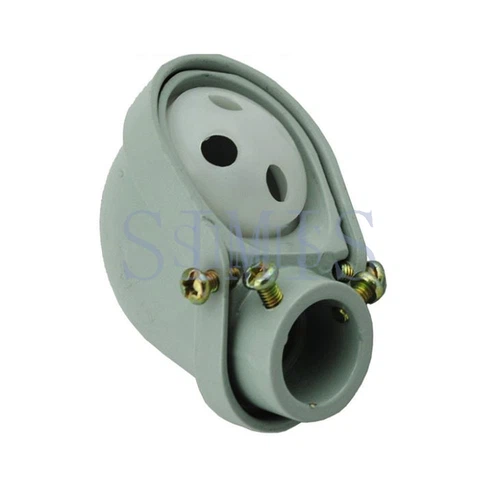
There are a variety of alloys and metals that can be utilized in the die-casting process. The type of metal used influences the final characteristics of the manufactured products and these products have varied uses and applications. The most commonly used metals in the process are zinc, aluminum, and magnesium. While several other options like copper, lead, brass, and tin exist, they are less common and are used only for specific projects.
Aluminum die-casting
Aluminum is a very popular metal choice in die casting. Aluminum is a fairly light metal, which is ideal for manufacturing lightweight components with good strength. Aluminum is also able to withstand high temperatures and has more finishing options. Aluminum is also easy to cast and has optimal thermal and electrical conductivity. All of these characteristics combined make aluminum die-casting a very good choice for the production of parts in the technology, energy, automobile, and aerospace industries respectively.
Zinc die-casting
Zinc is also comparable to aluminum in terms of popularity. It is mainly used in the production of automobile and medical equipment components. Zinc has a very distinct aesthetic look and zinc alloy die castings are perfect for manufacturing parts which require a sharp appearance. Zinc components also have smooth surfaces and can be plated or painted as per the specified need.
Zinc also has a low melting point and has less energy requirements when producing components while also extending the overall life of the mold used to shape the products, adding value to the entire process as a result. Zinc also has high corrosion resistance and is considered to be very durable, stable, and firm.
Magnesium die-casting
Among the three most popular metal choices, magnesium offers the greatest ease of machining. The incredible strength-to-weight ratio coupled with its lightness makes it the easiest alloy commonly used in die-casting. The advantages of using magnesium include better castability, resistance to hydrogen porosity, and superb fluidity compared to its aluminum and copper counterparts.
The metal is also known for its EMI (electromagnetic interference) and RFI (radio frequency interference) resistant properties which makes it the ideal choice for electrical components and connectors. The magnesium die casting metal is also used in the production of lab and medical equipment owing to these properties. Furthermore, magnesium is approximately 75% lighter than steel while having similar strength and superior dimensional stability, making it a good choice for complex net-shape and thin-walled casting applications.
Variations of Die Casting
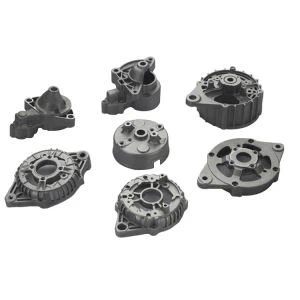
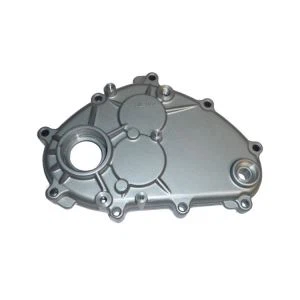
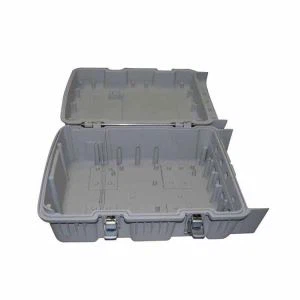

There are several variations of die casting, each offering unique characteristics and advantages. These variations are selected based on factors such as material choice, part geometry, production volume, and quality standards.
Pore free
Prior to injecting or pouring the molten metal, the die cavity is filled with oxygen. When the hot metal enters the cavity, the oxygen chemically combines with it to prevent gas bubbles eliminating trapped gas pores. In the diagram below, note the opening for active gas in this cold forging process.
Acurad
Acurad is an anagram for accurate, reliable, and dense. It combines stable fill and directional solidification to create fast cycle times. It includes thermal analysis, flow and fill modeling, heat treatable castings, and indirect squeezing. Double pistons increase the pressure when the shot is partially solidified.
Gravity
Molten metal is poured directly into a permanent die, completely filling it, which minimizes turbulence, oxidation, and foaming. The die can be vertical, horizontal, or tilted, resulting in parts with high quality, strength, and mechanical characteristics, as well as stiffness.
Investment
Investment or lost wax casting, is labor intensive process involving shaping of the mold from a wax prototype dipped in liquid ceramic. When the ceramic hardens, the wax is melted away. Molten metal is poured into the ceramic cavity. After solidification, the ceramic mold is broken away and the metal casting removed.
Vacuum assisted high pressure
The die is enclosed within an airtight housing. Pressure is applied to the die cavity, drawing in molten metal which solidifies before being ejected.
Semi-solid
Semi-solid metal, in a semi-solid or slurry state, is agitated, poured, and directed into a shot sleeve to be forcefully injected into the mold cavity under pressure. This process results in parts with excellent surface finishes, tight dimensional tolerances, and a favorable microstructure.
Low pressure
Low pressure the chamber with the molten metal is below the die, as can be seen in the diagram. It is pushed up through an intake port into the die chamber. The pressure is maintained until the molten metal solidifies.
Die casting includes several distinct processes under this generally term, but it has three main sub-processes, which are permanent mold casting, also known as gravity die casting, low-pressure die casting, and high-pressure die casting. This classification is mainly based on the different pressure employed by the die casting process to force the molten metal to flow into die cavity. In addition, with the development of casting technologies and material sciences, there are also variants of die casting process emerging in industries to produce distinct and unique casting components and structures.
Permanent mold casting
Permanent mold casting, also called gravity die casting, is a die casting process which employs a reusable mold, the so-called permanent mold, generally made from metallic tooling materials. In this casting process, the gravity of molten metal is generally an important force to drive the molten metal to flow, and the solidification of molten metals happens under atmospheric pressure.
But in other die-casting processes such as centrifugal-casting process, the centrifugal force is intently designed to facilitate the flow of molten metal into the complex cavity. In squeeze-casting, the solidification happens under an externally applied pressure such that the process combines the advantages of casting and forging in terms of product quality, property and the process capacity for making quality parts.
Low-pressure die casting
In low-pressure die casting (LPDC), molten metal is forced to flow aided by a low-pressure air with the pressure range of 20–100 kPa. In this process, a casting die is installed above a sealed furnace containing molten metal. A refractory-lined riser tube extends from the bottom of die into the molten metal pool and the low pressure air is employed to drive the molten metal in the furnace to rise up the tube and enter the die cavity with low turbulence.
Upon solidification of the molten metal, the air pressure is released and the remaining molten metal in the riser tube falls back into the furnace, followed by the opening of die and extraction of casting upon a sufficient cooling and solidification. The typical application of this process is used for making axially symmetrical parts such as car wheel. The main advantages include the precise control of die cavity filling, molten metal flowing quickly and smoothly through the feeding conduits, reducing oxide formation and preventing porosity in the castings. Compared with high-pressure die casting, the main disadvantages includes longer casting cycle and relatively thicker wall of the casting which can be made.
High-pressure die casting
High-pressure die casting (HPDC) is a casting process wherein molten metal poured into a shot sleeve in a die casting machine is quickly injected into a sealed die cavity with the pressure introduced by the fast movement of plunger or the so-called piston along the shot sleeve inside the die casting machine.
The pressure employed can be typically over 7 MPa. Since the pressure is relatively high and the speed of molten metal flowing into the die cavity is also great, the filling time of the entire casting process is correspondingly short, usually it takes a fraction of a second such as less than 100 ms. Once the die cavity is filled, the pressure is still applied by the injection plunger such that there is an intensification phase simultaneously existing in the solidification process. In this phase, the gases trapped in the metal during the extremely fast and turbulent cavity filling process can be squeezed out. Meanwhile, the shrinkage of the metal solidification can be partially compensated since more metals are pushed into the die cavity. Currently, there are variant forms of HPDC, such as vacuum die casting, squeeze casting and semisolid casting, etc.
HPDC is widely used for making various structural components such as engine block by using light alloys including aluminum and magnesium alloys. The main advantages include shorter casting cycle, suitable for thin-walled components, and the good surface quality of castings. However, there are also some disadvantages such as high investment and operation cost, complicated and expensive die, and the low strength of castings. The main materials used for this die casting process are aluminum, zinc, magnesium and copper-base alloys.
Our Certificate
Our company has passed ISO9001, TS16949, TUV and other quality certifications.

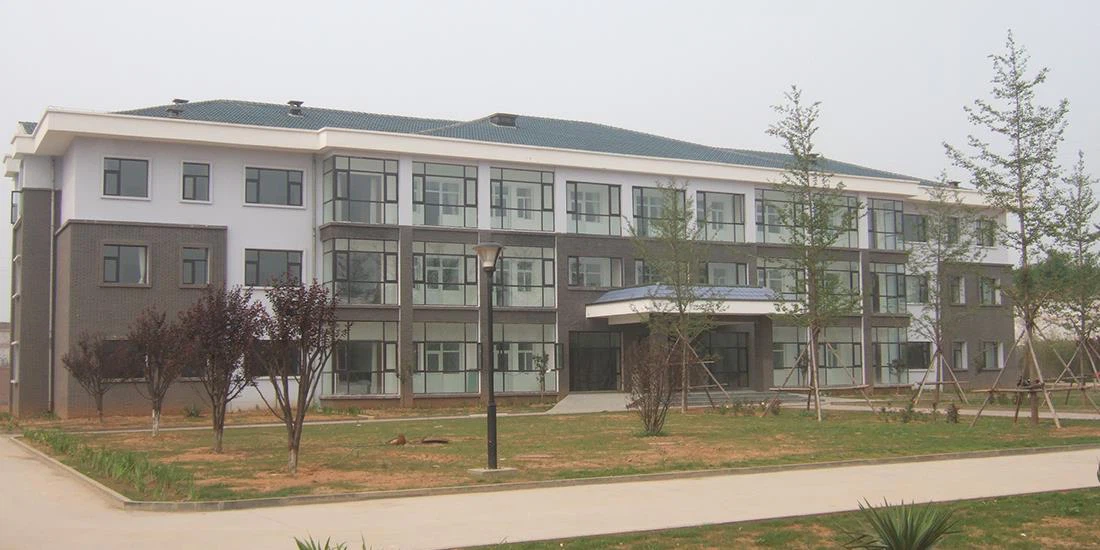
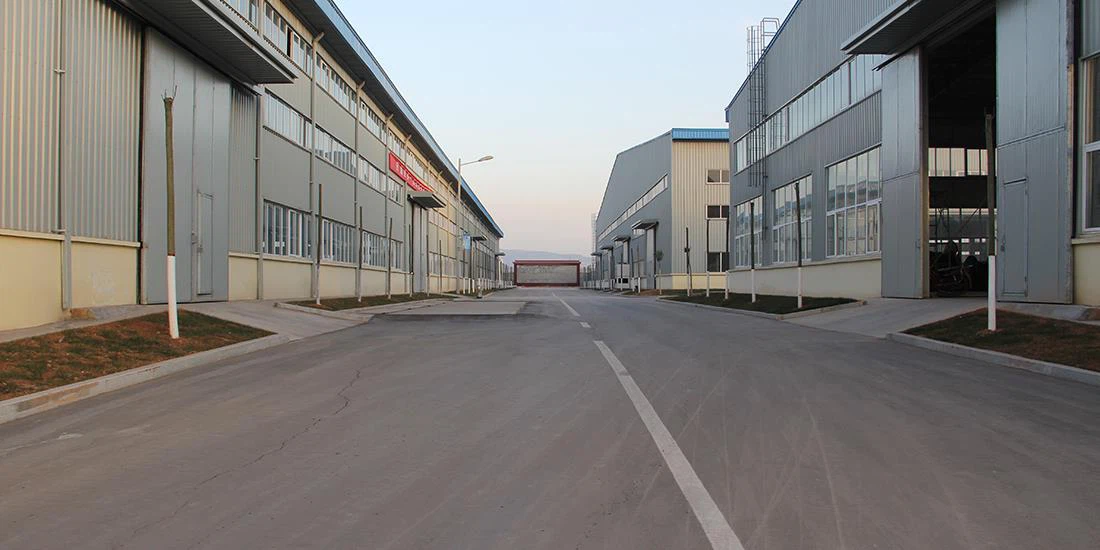
Our Factory
Taiyuan Simis Investment Casting Co., Ltd was established in 2014. After 15 years of development, it has developed from a single precision casting factory to a comprehensive mechanical product supplier that can provide precision casting, sand casting, die casting and precision machining parts. Our company has 3 professor-level engineers, 5 senior engineers, 12 junior engineers, 20 inspectors and about 350 workers. There are one precision casting factory, one sand casting factory, one die casting factory and two machining factories. After the unremitting efforts of our all employees, our company has passed ISO, TS16949, TUV and other quality certifications.
Our sales have gradually increased from the original 3 million RMB to the current 50 million RMB.
We understand the design and quality requirements of foreign customers for mechanical products. About 85% of our products are exported to North America, Europe and around the world.



FAQ
Q: What do you mean by die casting?
Q: Is die casting expensive?
Q: Why would you use die casting?
Q: What metal is best for die casting?
Q: What is die casting vs casting?
Q: What is die casting commonly used with?
Q: Where is die casting used?
Q: Is die casting easy?
Q: Why is die casting better than sand casting?
Q: Is die casting strong?
Q: What is the safety of die casting?
Q: How do you explain die casting?
Q: Why is aluminium used in die casting?
Q: Why do people use die casting?
Q: Is die casting fast or slow?
Q: How is diecast made?
Q: What is the die casting process?
Q: What is the process of die casting?
Q: What are the advantages of choosing die casting?
Q: What is the function of die casting?
Find professional die casting manufacturers and suppliers in China here. Please feel free to buy high quality die casting at competitive price from our factory. For customized service, contact us now.