

Superalloys, also known as high-performance alloys, are metallic materials that exhibit excellent mechanical strength, resistance to thermal creep deformation, good surface stability, and corrosion and oxidation resistance at high temperatures. Superalloy casting, as a specialized manufacturing process, has made significant contributions to the automotive industry. As a superalloy casting supplier, I have witnessed firsthand how this technology is revolutionizing the automotive sector.
Enhanced Engine Performance
One of the primary areas where superalloy casting contributes to the automotive industry is in engine performance. The engine is the heart of a vehicle, and any improvement in its performance can lead to better fuel efficiency, more power, and reduced emissions. Superalloys are ideal for engine components due to their high-temperature strength and resistance to oxidation.
For instance, Turbine Blades in turbocharged engines are often made using superalloy casting. Turbochargers increase the power output of an engine by forcing more air into the combustion chamber. The turbine blades in a turbocharger spin at extremely high speeds and are exposed to very high temperatures. Superalloys can withstand these harsh conditions without deforming or losing their strength, ensuring the efficient operation of the turbocharger. This, in turn, leads to improved engine performance and fuel efficiency.
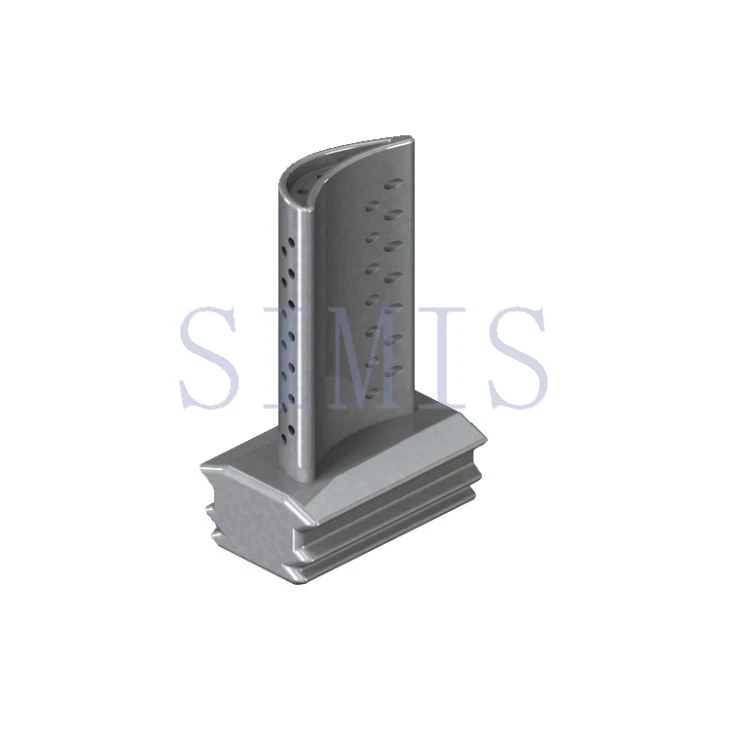

In addition to turbine blades, superalloy casting is also used for other engine components such as exhaust valves. Exhaust valves are subjected to high temperatures and pressures during the engine's operation. Superalloys provide the necessary strength and heat resistance to ensure that these valves can function properly over a long period. By using superalloy-cast exhaust valves, engines can operate more efficiently, reducing fuel consumption and emissions.
Lightweight Design
Another significant contribution of superalloy casting to the automotive industry is in lightweight design. As the automotive industry moves towards more fuel-efficient and environmentally friendly vehicles, reducing the weight of vehicles has become a top priority. Superalloys offer a unique combination of high strength and low density, making them an ideal material for lightweight components.
Through superalloy casting, complex and lightweight parts can be manufactured with high precision. For example, superalloy-cast engine blocks can be designed to have thinner walls while maintaining their structural integrity. This reduces the overall weight of the engine, which in turn reduces the weight of the vehicle. A lighter vehicle requires less energy to move, resulting in improved fuel efficiency.
Moreover, lightweight superalloy components can also improve the handling and performance of a vehicle. By reducing the weight of the vehicle, the suspension system has to work less, allowing for better control and maneuverability. This is particularly important for high-performance and sports cars, where every ounce of weight reduction can make a significant difference in performance.
Durability and Reliability
Superalloy casting also enhances the durability and reliability of automotive components. In the automotive industry, reliability is crucial as vehicles are expected to operate under various conditions for long periods. Superalloys have excellent resistance to corrosion, wear, and fatigue, making them highly durable.
Components such as Nozzle Guide Vane in gas turbines, which are used in some high-performance vehicles, are made using superalloy casting. These vanes are responsible for directing the flow of hot gases in the turbine, and they need to be able to withstand high temperatures and pressures without deteriorating. Superalloys provide the necessary durability to ensure that these vanes can function properly over the life of the vehicle.
In addition, superalloy-cast components are less likely to fail due to fatigue. Fatigue failure is a common problem in automotive components, especially those that are subjected to repeated stress. Superalloys have a high fatigue resistance, which means that they can withstand a large number of stress cycles without cracking or breaking. This improves the reliability of the vehicle and reduces the need for frequent maintenance and repairs.
Customization and Complex Geometries
Superalloy casting allows for the production of components with complex geometries and customized designs. In the automotive industry, different vehicles have different requirements, and manufacturers often need components that are specifically tailored to their vehicles. Superalloy casting provides the flexibility to meet these requirements.
Using advanced casting techniques, such as investment casting, superalloy components can be produced with intricate details and precise dimensions. This is particularly important for components such as intake manifolds and cylinder heads, which have complex internal passages and shapes. By using superalloy casting, manufacturers can optimize the design of these components to improve engine performance and efficiency.
Furthermore, superalloy casting can also be used to produce prototype components quickly and cost-effectively. This allows automotive manufacturers to test and develop new designs before mass production. By being able to produce customized and complex components, superalloy casting enables the automotive industry to innovate and develop new technologies.
Cost-Effectiveness in the Long Run
While superalloys may be more expensive than traditional materials, superalloy casting can be cost-effective in the long run. The high performance, durability, and reliability of superalloy components mean that they have a longer service life and require less maintenance. This reduces the overall cost of ownership for vehicle owners.
For automotive manufacturers, using superalloy components can also lead to cost savings in the production process. The ability to produce complex components in a single casting reduces the need for multiple machining operations and assembly steps. This not only saves time but also reduces the cost of production.
In addition, the improved fuel efficiency and reduced emissions of vehicles with superalloy components can also lead to cost savings. As fuel prices continue to rise and environmental regulations become more stringent, vehicles that are more fuel-efficient and environmentally friendly are more attractive to consumers. By using superalloy casting to improve the performance of their vehicles, automotive manufacturers can gain a competitive edge in the market.
Conclusion
In conclusion, superalloy casting has made significant contributions to the automotive industry. From enhancing engine performance and enabling lightweight design to improving durability and reliability, superalloy casting has become an essential technology in the automotive sector. As a superalloy casting supplier, I am proud to be part of this industry and to contribute to the development of more efficient, reliable, and innovative vehicles.
If you are an automotive manufacturer or a company in the automotive supply chain and are interested in exploring the benefits of superalloy casting for your products, I encourage you to contact me for a procurement discussion. We have the expertise and experience to provide you with high-quality superalloy components that meet your specific requirements.
References
- Davis, J. R. (Ed.). (1994). Superalloys: A technical guide. ASM International.
- Sims, C. T., Stoloff, N. S., & Hagel, W. C. (Eds.). (1987). Superalloys II. Wiley-Interscience.
- Reed, R. C. (2006). The superalloys: Fundamentals and applications. Cambridge University Press.