

Steel clamps are versatile tools that have been a staple in workshops and construction sites for decades. As a steel clamp supplier, I often get asked if these clamps can be used for DIY projects. The answer is a resounding yes! In this blog post, I'll explore the many ways steel clamps can enhance your DIY endeavors, discuss their types, and provide some practical tips for using them effectively.
Types of Steel Clamps and Their Suitability for DIY
There are several types of steel clamps available on the market, each designed for specific applications. Here are some of the most common types and how they can be used in DIY projects:
C-Clamps
C-clamps, also known as G-clamps, are one of the most recognizable types of steel clamps. Their C-shaped frame and a screw mechanism allow them to apply pressure between two surfaces. C-clamps are excellent for holding together pieces of wood, metal, or plastic during gluing, welding, or drilling operations. For example, if you're building a wooden bookshelf, you can use C-clamps to hold the joints firmly while the glue dries. This ensures a strong and stable connection, preventing the joints from shifting or coming apart.
Bar Clamps
Bar clamps, also called F-clamps, feature a long, straight bar with a sliding jaw. They are ideal for clamping larger workpieces or for applying consistent pressure over a wide area. When working on a DIY tabletop, bar clamps can be used to hold the individual boards together tightly, ensuring a seamless and even surface. The long bar allows you to span across multiple joints, making it easier to achieve a uniform clamping force.
Spring Clamps
Spring clamps are lightweight and easy to use. They are typically used for temporary holding tasks, such as holding a piece of fabric in place while sewing or clamping a small piece of wood during a quick repair. Spring clamps are handy for small DIY projects where you need a quick and easy way to hold two pieces together without the need for a large, heavy clamp.
Pipe Clamps
Pipe clamps consist of a pipe and adjustable jaws. They are great for clamping large or irregularly shaped objects. For example, if you're building a circular wooden structure, pipe clamps can be used to wrap around the circumference and hold the pieces in place. The adjustable jaws allow you to customize the clamping force and accommodate different sizes and shapes.
Advantages of Using Steel Clamps in DIY Projects
Steel clamps offer several advantages that make them a popular choice for DIY enthusiasts:
Durability
Steel is a strong and durable material that can withstand high levels of pressure and repeated use. Unlike plastic or wooden clamps, steel clamps are less likely to break or deform, ensuring that they will last for many DIY projects to come. This makes them a cost-effective investment in the long run.
Versatility
As mentioned earlier, there are many types of steel clamps available, each with its own unique features and applications. This versatility allows you to use steel clamps for a wide range of DIY projects, from woodworking and metalworking to plumbing and electrical work. Whether you're building a simple bookshelf or a complex piece of furniture, there's a steel clamp that's suitable for the job.
Precision
Steel clamps allow you to apply precise and consistent pressure to your workpieces. This is important for ensuring that your joints are tight and your finished project is sturdy and well-constructed. The ability to control the clamping force also helps to prevent damage to your materials, such as crushing or splitting.
Real-World DIY Applications of Steel Clamps
Let's take a look at some specific DIY projects where steel clamps can be used effectively:
Woodworking Projects
In woodworking, steel clamps are essential for joining pieces of wood together. Whether you're building a cabinet, a chair, or a picture frame, clamps help to hold the joints in place while the glue dries. They also prevent the wood from shifting or warping during the assembly process, resulting in a more precise and professional-looking finish. For example, when building a dovetail joint, C-clamps can be used to hold the pieces together tightly, ensuring a perfect fit.
Metalworking Projects
Steel clamps are also commonly used in metalworking projects. They can be used to hold metal pieces together during welding, grinding, or drilling operations. When welding two pieces of metal, clamps help to keep the pieces in alignment and prevent them from moving, ensuring a strong and secure weld. For more complex metal structures, bar clamps or pipe clamps can be used to hold multiple pieces in place, allowing you to work more efficiently.
Home Repairs
Steel clamps can be incredibly useful for various home repair tasks. For instance, if you're repairing a broken chair leg, you can use a C-clamp to hold the pieces together while you apply epoxy or other adhesives. In plumbing, clamps can be used to secure pipes or fittings during installation or repair. They provide a temporary hold, allowing you to make adjustments and ensure a proper fit.
Complementary Products and Steel Clamps
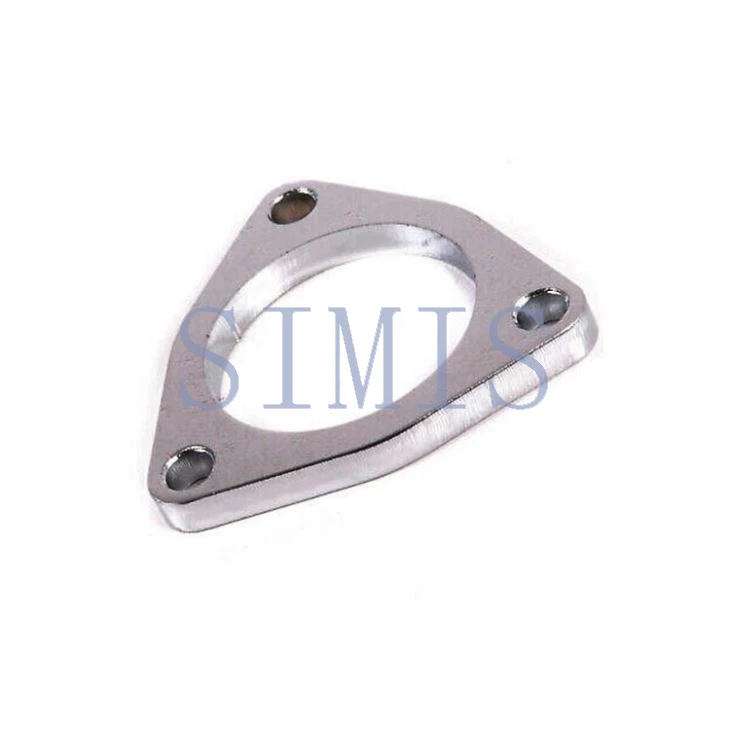
In addition to their direct use in DIY projects, steel clamps can also be used in conjunction with other casting products. For example, if you're working on a car repair DIY project, you might need to use Car Exhaust Flange. Steel clamps can help you hold the exhaust flange in place during installation, ensuring a tight and leak-free connection.
Similarly, for those interested in DIY sewing machine repairs or building small models that involve sewing machine parts, Sewing Machine Casting can be held securely using steel clamps. This allows you to make precise adjustments and repairs without the parts moving around.
If you're into crafting fans or working on ventilation projects, Fans Blades Casting can be fastened with steel clamps while you're assembling or modifying the blades. This helps in achieving a balanced and functional fan.
Tips for Using Steel Clamps Effectively
To get the most out of your steel clamps, here are some tips to keep in mind:
- Choose the Right Clamp: Select the appropriate type and size of clamp for your project. Using the wrong clamp can result in uneven pressure, damage to your materials, or an ineffective hold.
- Protect Your Workpieces: To prevent damage to your workpieces, use protective pads or pieces of scrap wood between the clamp jaws and the material. This helps to distribute the pressure evenly and prevents the clamp from leaving marks or indentations.
- Apply the Right Amount of Pressure: Avoid over-tightening the clamps, as this can cause damage to your materials. Apply enough pressure to hold the pieces firmly in place, but not so much that it causes distortion or breakage.
- Keep Your Clamps Clean and Lubricated: Regularly clean your clamps to remove dirt, debris, and rust. Lubricate the screw mechanisms to ensure smooth operation and prevent them from seizing up.
Conclusion and Call to Action
In conclusion, steel clamps are a valuable tool for any DIY enthusiast. Their durability, versatility, and precision make them suitable for a wide range of projects, from simple home repairs to complex woodworking and metalworking tasks. Whether you're a beginner or an experienced DIYer, investing in a quality set of steel clamps can significantly enhance your DIY experience.

If you're interested in purchasing steel clamps for your next DIY project, or if you have any questions about our products, feel free to reach out. We're here to help you find the right clamps for your needs and ensure that your DIY projects are a success.
References
- Campbell, D. (2018). The Complete Guide to Clamps. Woodworker's Journal.
- Smith, J. (2019). Metalworking: Tools and Techniques. Industrial Press.
- Brown, M. (2020). DIY Home Repairs: A Practical Handbook. Home Improvement Press.