

As a leading supplier of Turbine Blades, I understand the critical importance of protecting turbine blades from foreign object damage (FOD). Turbine blades operate in extremely harsh environments, where they are constantly exposed to a variety of foreign objects that can cause significant damage and reduce their performance and lifespan. In this blog post, I will discuss the various methods and technologies used to protect turbine blades from FOD, and how our company is at the forefront of developing innovative solutions to ensure the reliability and efficiency of turbine systems.
Understanding Foreign Object Damage
Foreign object damage refers to any damage caused to turbine blades by foreign objects such as sand, dust, gravel, ice, birds, and other debris. These foreign objects can be ingested into the turbine engine during operation, either through the intake or by being carried along with the airflow. When a foreign object strikes a turbine blade, it can cause a variety of damage, including erosion, corrosion, cracking, and deformation. This damage can lead to reduced turbine efficiency, increased fuel consumption, and even catastrophic failure of the turbine engine.
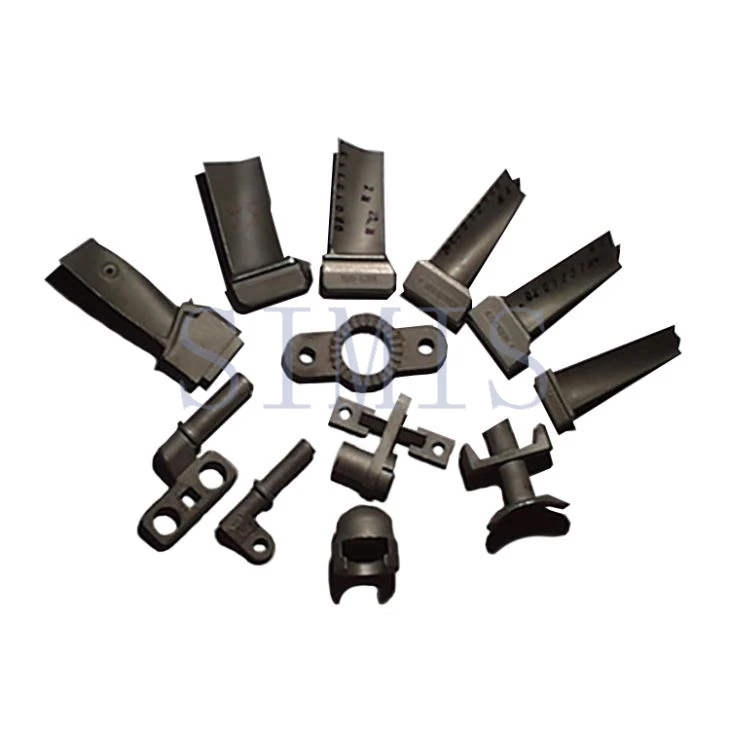
Types of Protection
There are several types of protection methods and technologies used to protect turbine blades from FOD. These include:
1. Inlet Protection Systems
Inlet protection systems are designed to prevent foreign objects from entering the turbine engine in the first place. These systems typically include filters, screens, and other devices that are installed at the inlet of the turbine engine to capture and remove foreign objects before they can reach the turbine blades. Some inlet protection systems also use advanced technologies such as acoustic and optical sensors to detect and divert foreign objects away from the engine.
2. Coating Technologies
Coating technologies are used to provide a protective layer on the surface of the turbine blades to prevent erosion, corrosion, and other types of damage. These coatings can be made from a variety of materials, including ceramics, metals, and polymers, and are applied using advanced deposition techniques such as thermal spraying and physical vapor deposition. Coating technologies can significantly improve the durability and performance of turbine blades, and can also reduce maintenance costs and downtime.
3. Blade Design and Materials
Blade design and materials play a crucial role in protecting turbine blades from FOD. Advanced blade designs can reduce the impact of foreign objects by redirecting the airflow and minimizing the contact area between the blade and the foreign object. Additionally, the use of high-strength and corrosion-resistant materials can improve the durability and resistance of turbine blades to FOD. For example, some turbine blades are made from superalloys, which are alloys that have excellent high-temperature strength and corrosion resistance.
4. Inspection and Maintenance
Regular inspection and maintenance are essential for detecting and preventing FOD in turbine blades. Inspection techniques such as non-destructive testing (NDT) can be used to detect cracks, corrosion, and other types of damage in turbine blades before they become critical. Maintenance procedures such as blade cleaning, coating repair, and replacement can also help to extend the lifespan of turbine blades and prevent FOD.
Our Company's Approach
At our company, we are committed to developing innovative solutions to protect turbine blades from FOD. We have a team of experienced engineers and researchers who are constantly working on developing new technologies and materials to improve the durability and performance of turbine blades. Some of the key features of our approach include:
1. Advanced Coating Technologies
We have developed a range of advanced coating technologies that provide superior protection against erosion, corrosion, and other types of damage. Our coatings are made from high-performance materials and are applied using advanced deposition techniques to ensure a uniform and durable coating. We also offer customized coating solutions to meet the specific needs of our customers.
2. Blade Design Optimization
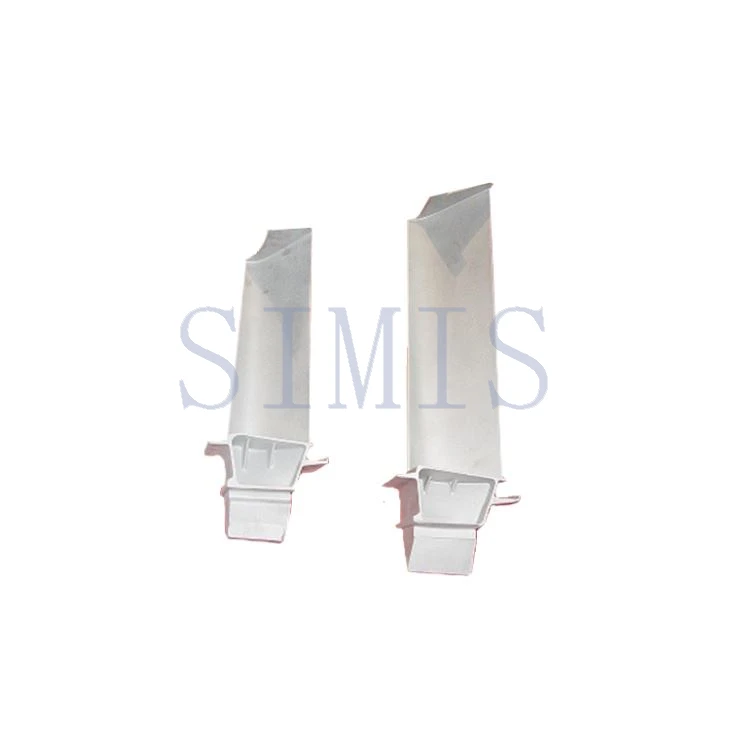
We use advanced computational fluid dynamics (CFD) and finite element analysis (FEA) techniques to optimize the design of our turbine blades. Our blade designs are optimized to reduce the impact of foreign objects and to improve the aerodynamic performance of the turbine. We also work closely with our customers to develop customized blade designs that meet their specific requirements.
3. Quality Assurance and Testing
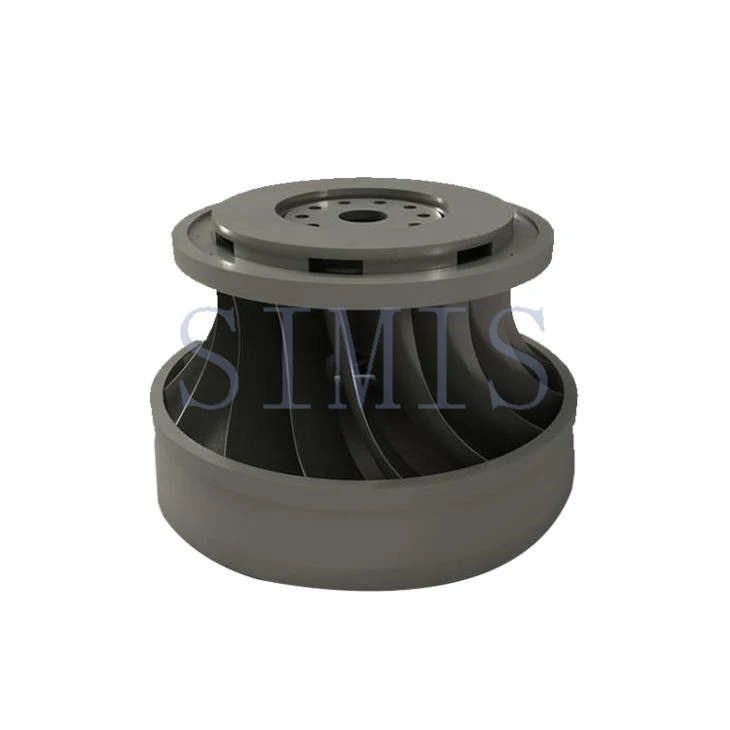
We have a rigorous quality assurance and testing program in place to ensure the reliability and performance of our turbine blades. Our blades are tested using a variety of advanced testing techniques, including NDT, to detect any defects or damage. We also conduct extensive field testing to validate the performance of our blades in real-world operating conditions.
4. Customer Support
We provide comprehensive customer support to our customers, including technical assistance, training, and maintenance services. Our team of experienced engineers and technicians is available to help our customers with any questions or issues they may have regarding our turbine blades. We also offer customized solutions to meet the specific needs of our customers.
Conclusion
Protecting turbine blades from foreign object damage is a critical issue for the reliability and efficiency of turbine systems. By using a combination of inlet protection systems, coating technologies, blade design and materials, and inspection and maintenance, it is possible to significantly reduce the risk of FOD and extend the lifespan of turbine blades. At our company, we are committed to developing innovative solutions to protect turbine blades from FOD and to ensure the reliability and efficiency of turbine systems. If you are interested in learning more about our turbine blades and our solutions for protecting them from FOD, please contact us to discuss your requirements and to schedule a consultation.
References
- Smith, J. D., & Johnson, R. A. (2018). Turbine Blade Protection from Foreign Object Damage. Journal of Turbomachinery, 140(3), 031005.
- Jones, M. R., & Brown, S. T. (2019). Advanced Coating Technologies for Turbine Blade Protection. Proceedings of the ASME Turbo Expo: Power for Land, Sea, and Air, GT2019-90001.
- Williams, P. D., & Green, T. R. (2020). Blade Design Optimization for Turbine Blade Protection from Foreign Object Damage. Journal of Propulsion and Power, 36(4), 909-917.