

Hey there! I'm a supplier in the Fans Blades Casting business. Over the years, I've dealt with all sorts of materials for making fan blades. In this blog, I'll share with you the commonly used materials for fans blades casting.
Aluminum Alloys
Aluminum alloys are like the rock - stars in the world of fan blades casting. They're super popular, and there are good reasons for that. First off, they're lightweight. When a fan blade is light, the motor doesn't have to work as hard to spin it. This means less energy consumption and longer motor life.
Aluminum alloys also have great corrosion resistance. Whether it's a fan in a humid bathroom or an outdoor industrial setting, these blades can stand up to the elements. They don't rust easily, which is a huge plus.
Another advantage is their excellent thermal conductivity. In some applications, like cooling fans in electronics, the ability to dissipate heat quickly is crucial. Aluminum alloys can transfer heat away from the source efficiently.
We use different types of aluminum alloys depending on the specific requirements of the fan. For example, 6061 aluminum alloy is often chosen for its good strength - to - weight ratio and machinability. It can be easily shaped into complex blade designs. If you're interested in other casting products like Sewing Machine Casting, aluminum alloys are also a common choice there.
Steel Alloys
Steel alloys are another heavy - hitter in the fans blades casting industry. They offer high strength and durability. If you need a fan blade that can withstand high - speed rotation or heavy loads, steel alloys are the way to go.
Stainless steel, in particular, is widely used. It has all the benefits of regular steel, plus it's resistant to corrosion. This makes it suitable for fans in harsh environments, such as chemical plants or marine applications.
Carbon steel is also a popular option. It's relatively inexpensive and has good mechanical properties. However, it may require some form of surface treatment to prevent rusting.
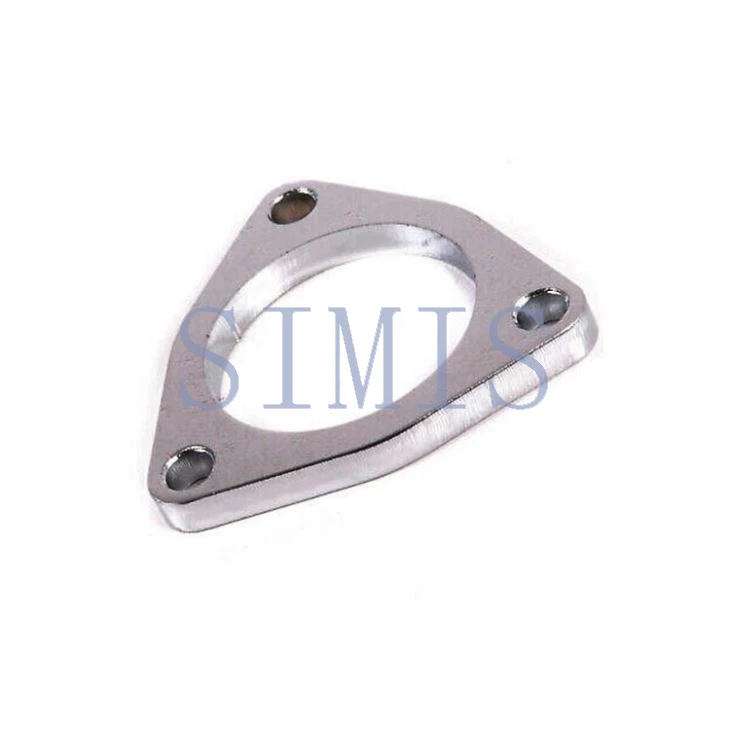
One of the challenges with steel alloys is their weight. They're heavier than aluminum alloys, which can increase the energy consumption of the fan. But for applications where strength is the top priority, this is a trade - off that's often worth making. If you're into car - related casting, Car Exhaust Flange often uses steel alloys for their strength and heat resistance.
Plastics
Plastics have come a long way in the world of fan blades casting. They're lightweight, which is a big advantage for energy - efficient fans. They're also relatively inexpensive to produce, making them a cost - effective option for mass - market fans.
There are different types of plastics used for fan blades. Polypropylene is a common choice. It's tough, flexible, and has good chemical resistance. It can be easily molded into various shapes, allowing for creative blade designs.
Acrylonitrile Butadiene Styrene (ABS) is another popular plastic. It has high impact resistance and can withstand rough handling. It's often used in fans for home appliances.
One of the drawbacks of plastics is their limited heat resistance. In high - temperature applications, they may deform or melt. But for most indoor and low - heat applications, plastics are a great choice. And if you're specifically looking for fan blades, check out our Fans Blades Casting options.
Titanium Alloys
Titanium alloys are the premium choice for fan blades in some specialized applications. They have an outstanding strength - to - weight ratio. They're as strong as steel but much lighter. This makes them ideal for high - performance fans, such as those used in aerospace or high - end industrial equipment.
Titanium alloys also have excellent corrosion resistance, even in extremely harsh environments. They can withstand exposure to chemicals and saltwater without corroding.
However, the main downside of titanium alloys is their cost. They're much more expensive than aluminum, steel, or plastics. This limits their use to applications where the performance benefits justify the high price tag.
Composite Materials
Composite materials are becoming more and more popular in fan blades casting. They're made by combining two or more different materials to get the best of both worlds. For example, a composite fan blade might have a carbon fiber reinforcement in a polymer matrix.
Carbon fiber composites offer high strength and stiffness, along with low weight. They can be designed to have specific mechanical properties, making them suitable for a wide range of applications.

Fiberglass composites are also commonly used. They're less expensive than carbon fiber composites and still offer good strength and corrosion resistance.
Composite materials allow for more complex blade designs and better aerodynamic performance. But they require more advanced manufacturing techniques and quality control.
Choosing the Right Material
When it comes to choosing the right material for fan blades casting, there are several factors to consider. First, think about the application. Is it for a home fan, an industrial fan, or a high - performance aerospace fan? The environment in which the fan will operate is also crucial. Will it be exposed to moisture, chemicals, or high temperatures?
Cost is another important factor. You need to balance the performance requirements with the budget. Sometimes, a more expensive material might be worth the investment in the long run if it reduces maintenance costs and increases the lifespan of the fan.
We at our company have the expertise to help you choose the best material for your specific needs. Whether you're looking for a simple and cost - effective solution or a high - performance option, we can guide you through the process.
If you're in the market for fan blades or have any questions about the casting process, don't hesitate to reach out. We're here to discuss your requirements and find the perfect solution for you.
References
- "Materials Science and Engineering: An Introduction" by William D. Callister Jr. and David G. Rethwisch.
- Industry reports on fan manufacturing and materials usage.