

Hey there! As a supplier of Turbine Blades, I've been knee - deep in the world of turbines for ages. One question that keeps coming up, both from curious enthusiasts and potential clients, is: What's the deal between turbine blade size and turbine performance? Let's dig into this topic.
First off, let's understand the basics. Turbine blades are crucial components in turbines. They're like the engines of a turbine, converting the energy from a fluid (like steam or gas) into mechanical energy. And just like engines, their size can have a huge impact on how well the whole system runs.
The Impact of Blade Size on Efficiency
When it comes to efficiency, blade size plays a key role. Generally speaking, larger turbine blades can capture more of the fluid's energy. Picture a wind turbine, for example. The bigger the blades, the larger the area they cover as they spin. This means they can catch more wind, which in turn generates more power. In a steam or gas turbine, larger blades can interact with a greater volume of the working fluid. This increased interaction allows for more energy transfer from the fluid to the blade, boosting the turbine's overall efficiency.
But it's not all about just slapping on the biggest blades you can find. There's a catch. As blades get larger, they also become heavier. This added weight can cause more stress on the turbine's shaft and bearings. Over time, this extra stress can lead to increased wear and tear, reducing the turbine's lifespan. So, there's a sweet spot where you can maximize efficiency without overburdening the system.
Blade Size and Power Output
Power output is another major factor affected by blade size. A larger blade can handle more fluid flow, which directly translates to higher power generation. In a power plant, a turbine with larger blades can produce more electricity. This is a big deal, especially when you're trying to meet the energy demands of a large city or an industrial complex.
However, it's important to note that increasing blade size doesn't always result in a linear increase in power output. There are other factors at play, such as the design of the blade and the properties of the working fluid. For instance, if the blade isn't designed properly, it might not be able to efficiently convert the fluid's energy into mechanical energy, even if it's large.
Aerodynamics and Blade Size
Aerodynamics is super important when it comes to turbine blades. The shape and size of the blade determine how well it can interact with the fluid. Smaller blades can have better aerodynamic performance in certain situations. They can be designed to have a more streamlined shape, which reduces drag. This means that the fluid can flow over the blade more smoothly, improving the turbine's efficiency.
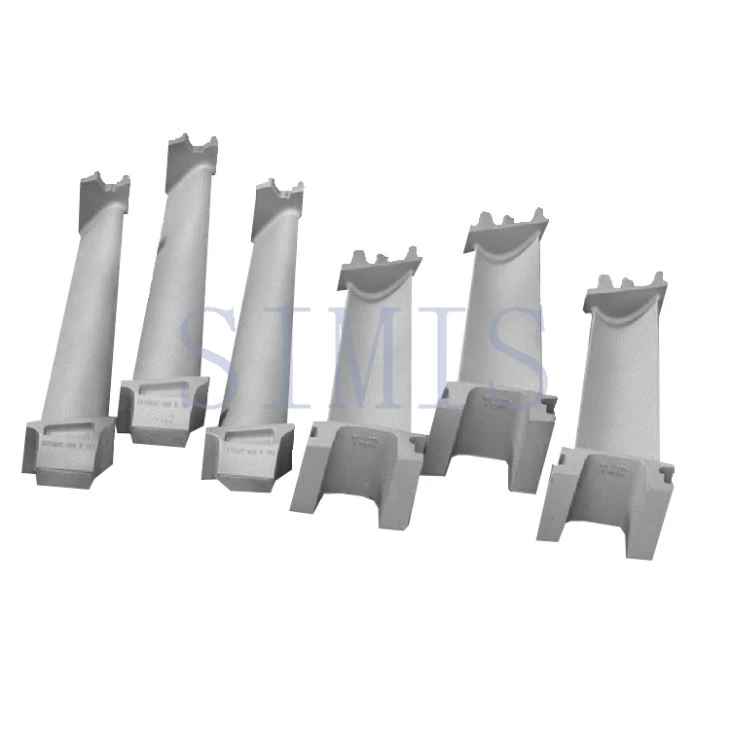
On the other hand, larger blades need to be carefully designed to maintain good aerodynamics. They often have more complex shapes to counteract the increased drag caused by their size. For example, some large turbine blades have a twisted shape along their length. This twist helps to ensure that the blade is at the optimal angle to the fluid flow at every point, maximizing energy capture.
Noise and Vibration
Blade size also has an impact on noise and vibration. Larger blades can create more noise and vibration as they interact with the fluid. This is because they have a larger surface area and more mass, which can cause more turbulence in the fluid flow. Noise and vibration are not just annoying; they can also affect the performance and reliability of the turbine. Excessive vibration can lead to mechanical failures, while high - level noise can be a safety and environmental concern.
To mitigate these issues, engineers use various techniques. For larger blades, they might add damping materials or design the blade in a way that reduces the generation of noise and vibration. Smaller blades, due to their lower mass and surface area, generally produce less noise and vibration, but they also have limitations in terms of power output.
Cost Considerations
Cost is always a factor in any engineering project. Larger turbine blades are more expensive to manufacture. They require more material, and the manufacturing process can be more complex. For example, casting a large turbine blade with the required precision can be a challenging and costly task.
In addition to the manufacturing cost, larger blades also incur higher transportation and installation costs. They are heavier and bulkier, which means more specialized equipment is needed to move and install them. On the other hand, smaller blades are generally cheaper to produce, transport, and install. But as we've seen, they might not offer the same level of performance as larger blades.
The Role of Nozzle Guide Vane
Nozzle guide vanes work in conjunction with turbine blades. They help to direct the flow of the working fluid onto the blades at the optimal angle. The size and design of the nozzle guide vanes can also affect how well the turbine blades perform.
For larger turbine blades, the nozzle guide vanes need to be designed to handle the larger volume of fluid flow. They need to be larger in size and have a specific shape to ensure that the fluid is evenly distributed across the blade surface. Smaller turbine blades, on the other hand, require smaller and more precisely - designed nozzle guide vanes to achieve the best performance.
Finding the Right Balance
So, how do you find the right blade size for your turbine? It all comes down to your specific requirements. If you're looking for maximum power output and efficiency, and cost isn't a major concern, larger blades might be the way to go. But you'll need to make sure that the turbine's supporting structure can handle the added weight and stress.
If you're working in a situation where cost, noise, and vibration are major factors, smaller blades could be a better option. You might sacrifice some power output, but you'll get a more cost - effective and reliable system.

As a Turbine Blades supplier, I've seen all sorts of projects. Some clients come to me looking for the biggest, most powerful blades they can get, while others are more focused on keeping costs down and minimizing environmental impact. That's why we offer a wide range of blade sizes and designs to meet different needs.

If you're in the market for turbine blades, whether it's for a new project or a replacement, I'd love to chat with you. We can discuss your specific requirements and figure out the best blade size and design for your turbine. Every project is unique, and I'm here to help you make the right choice. So, don't hesitate to reach out and start the conversation.
References
- Johnson, R. (2018). "Turbine Design and Performance." Engineering Press.
- Smith, A. (2020). "Aerodynamics of Turbine Blades." Aerospace Journal.
- Brown, C. (2019). "Cost - Effective Turbine Solutions." Energy Economics Review.