

Hey there! As a supplier of Turbine Blades, I've been in the thick of the industry for quite a while, and I often get asked about the efficiency of turbine blades. So, I thought I'd sit down and share my thoughts on this topic.
Let's start with the basics. Turbine blades are a crucial component in a wide range of applications, from power generation to aviation. Their main job is to convert the energy from a fluid (like steam or gas) into mechanical energy, which can then be used to generate electricity or propel an aircraft. The efficiency of these blades is super important because it directly affects the overall performance and cost - effectiveness of the turbine system.
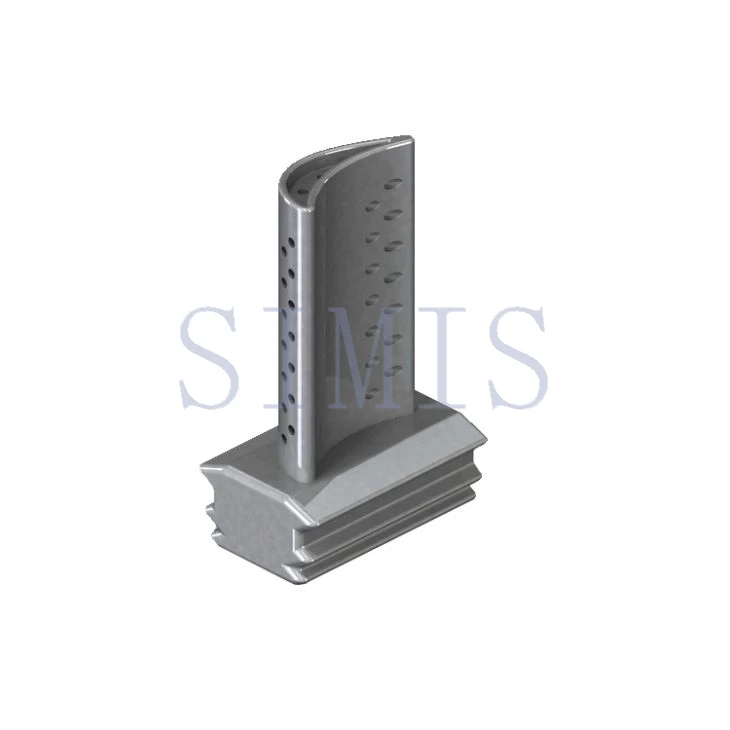
One of the key factors that determine the efficiency of turbine blades is their design. A well - designed blade can maximize the energy transfer from the fluid to the blade. For instance, the shape of the blade plays a huge role. Modern turbine blades are often designed with an airfoil shape, similar to an airplane wing. This shape allows the fluid to flow smoothly over the blade, reducing drag and increasing the amount of energy that can be extracted.
The material used to make the turbine blades also has a big impact on efficiency. We need materials that can withstand high temperatures, pressures, and mechanical stresses. That's why superalloys are commonly used in Turbine Blades. These alloys have excellent heat resistance and mechanical properties, which means the blades can operate at high - efficiency levels for longer periods without degrading.
Another aspect is the manufacturing process. Precision is key here. Even a small deviation in the blade's dimensions can lead to a significant drop in efficiency. That's why we use advanced manufacturing techniques like lost - wax investment casting. This process allows us to create complex blade geometries with high accuracy, ensuring that each blade meets the strict performance requirements.
Now, let's talk about how we measure the efficiency of turbine blades. One common metric is the isentropic efficiency. This measures how close the actual performance of the blade is to the ideal, or isentropic, performance. In an ideal situation, all the energy from the fluid would be converted into mechanical energy. But in reality, there are always losses due to factors like friction, heat transfer, and flow separation. A high isentropic efficiency means that the blade is doing a good job of minimizing these losses.

The operating conditions also play a role in determining efficiency. For example, the temperature and pressure of the incoming fluid can have a big impact. Higher inlet temperatures generally mean more energy is available for conversion, but the blades need to be able to handle these extreme conditions. Similarly, the flow rate of the fluid affects the efficiency. If the flow rate is too low, the blades may not be fully utilized, and if it's too high, there could be excessive losses due to turbulence.
In power generation applications, the efficiency of turbine blades directly affects the cost of electricity. A more efficient blade means less fuel is needed to generate the same amount of power, which translates into lower operating costs. In aviation, efficiency is crucial for fuel economy and range. Airlines are always looking for ways to reduce their fuel consumption, and using more efficient turbine blades is one way to achieve this.
When it comes to maintenance, keeping the turbine blades in good condition is essential for maintaining efficiency. Over time, blades can get damaged by erosion, corrosion, or foreign object damage. Regular inspections and maintenance can help identify and address these issues before they cause a significant drop in efficiency. We also offer repair and refurbishment services for our Turbine Blades to ensure that they continue to perform at their best.
Nozzle Guide Vanes are another important part of the turbine system. They are used to direct the flow of the fluid onto the turbine blades at the optimal angle. Nozzle Guide Vane design and performance can have a significant impact on the efficiency of the overall turbine. A well - designed nozzle guide vane can improve the flow distribution and reduce losses, thereby increasing the efficiency of the turbine blades.
In conclusion, the efficiency of turbine blades is a complex topic that depends on many factors, including design, material, manufacturing process, operating conditions, and maintenance. As a supplier, we're constantly working to improve the efficiency of our turbine blades through research and development. We use the latest technologies and materials to ensure that our blades offer the best performance and reliability.
If you're in the market for high - efficiency turbine blades or have any questions about their performance, I'd love to hear from you. Whether you're involved in power generation, aviation, or any other industry that uses turbines, we can provide you with the right solutions. Don't hesitate to reach out for a discussion about your specific needs and how our turbine blades can meet them.
References
- Various industry reports on turbine technology and efficiency.
- Technical papers on superalloy materials and their application in turbine blades.