

Hey there! As a supplier of Fans Blades Casting, I've been diving deep into the world of casting for ages. One question that keeps popping up is, "What's the difference between vacuum and non-vacuum casting for fans blades?" Well, buckle up because I'm about to break it all down for you in a way that's easy to understand.
Let's start with the basics. Casting is the process of making parts by pouring molten metal into a mold and letting it solidify. When it comes to fans blades, the quality of the casting can have a huge impact on the performance and durability of the final product. That's where vacuum and non-vacuum casting come in.
Non-Vacuum Casting
Non-vacuum casting, as the name suggests, is done in a normal atmospheric environment. It's a pretty straightforward process that's been around for a long time. Here's how it works:
First, the mold is prepared. This can be made from a variety of materials, like sand or ceramic. The mold has a cavity in the shape of the fans blade. Then, the molten metal, usually an alloy that's chosen for its strength and heat resistance, is poured into the mold. Gravity helps the metal fill the cavity, and once it cools and solidifies, the mold is broken away, and the fans blade is removed.
One of the biggest advantages of non-vacuum casting is its simplicity. It doesn't require any fancy equipment to create a vacuum, which means it's generally more cost-effective. This makes it a popular choice for small-scale production or when you're on a tight budget.
However, non-vacuum casting does have its drawbacks. Since it's done in the open air, there's a higher chance of the molten metal reacting with oxygen and other gases in the atmosphere. This can lead to the formation of oxides and other impurities in the casting. These impurities can weaken the fans blade and reduce its overall performance. Also, air bubbles can get trapped in the molten metal as it's poured into the mold. These bubbles create porosity in the casting, which can cause cracks and other structural issues over time.
Vacuum Casting
Now, let's talk about vacuum casting. This method takes place in a sealed chamber where the air is removed to create a vacuum. Here's the step-by-step process:
Just like non-vacuum casting, the mold is prepared first. Then, both the mold and the molten metal are placed inside the vacuum chamber. The air is pumped out of the chamber, creating a low-pressure environment. The molten metal is then poured into the mold. Because there's no air in the chamber, the metal can flow more freely into every nook and cranny of the mold.
One of the main benefits of vacuum casting is the high quality of the final product. Since there's no oxygen or other gases in the chamber, the risk of oxidation and the formation of impurities is significantly reduced. This means the fans blades are stronger and more durable. The absence of air also eliminates the chance of air bubbles getting trapped in the casting, resulting in a denser and more uniform structure.
Vacuum casting also allows for better control over the casting process. The low-pressure environment helps the molten metal fill the mold more evenly, which is especially important for complex shapes like fans blades. This means you can achieve a higher level of precision and accuracy in the casting.
But, vacuum casting does come with a price. The equipment needed to create and maintain a vacuum is expensive, and the process itself is more complex and time-consuming. This makes it more costly than non-vacuum casting, which is a major consideration for large-scale production.
Real-World Applications and Considerations
In the real world, the choice between vacuum and non-vacuum casting for fans blades depends on a few factors. If you're manufacturing fans for consumer products where cost is a major concern and the performance requirements aren't too high, non-vacuum casting might be the way to go. For example, fans used in household appliances like air purifiers or small table fans can often be made using non-vacuum casting without sacrificing too much quality.

On the other hand, if you're producing fans for industrial or high-performance applications, vacuum casting is usually the better option. Fans used in aerospace, automotive engines, or large-scale ventilation systems need to be extremely reliable and efficient. These applications require fans blades that can withstand high temperatures, pressures, and harsh environments. Vacuum casting ensures that the fans blades have the strength and durability to meet these demanding requirements.
Other Casting Products We Offer
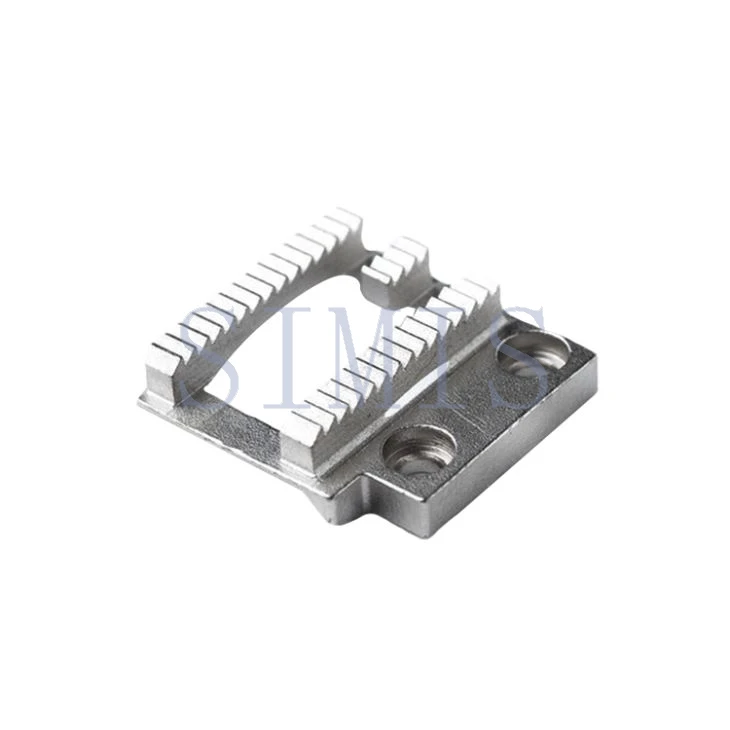
While we're on the topic of casting, I should mention that we also offer other casting products, such as Car Exhaust Flange and Sewing Machine Casting. Just like fans blades, the choice between vacuum and non-vacuum casting depends on the specific requirements of the product. For car exhaust flanges, which need to be strong and resistant to high temperatures and corrosion, vacuum casting is often the preferred method. Sewing machine castings, on the other hand, may be suitable for non-vacuum casting if cost is a major factor.
Wrapping It Up and Reaching Out
So, there you have it! The difference between vacuum and non-vacuum casting for fans blades comes down to quality, cost, and the specific requirements of the application. Whether you're looking for high-performance fans blades for industrial use or cost-effective solutions for consumer products, we've got you covered.
If you're interested in learning more about our Fans Blades Casting or any of our other casting products, don't hesitate to reach out. We're always happy to discuss your needs and provide you with a customized solution.
References
- Campbel, J. F. (2003). Castings. Butterworth-Heinemann.
- ASM Handbook Committee. (2008). ASM Handbook, Volume 15: Casting. ASM International.