

A car exhaust flange is a crucial component in a vehicle's exhaust system. As a supplier of Car Exhaust Flanges, I have in - depth knowledge about their functions and importance. In this blog, I will explore the various functions of a car exhaust flange and why it is an essential part of any vehicle.
1. Connection and Sealing
One of the primary functions of a car exhaust flange is to connect different sections of the exhaust system. The exhaust system consists of multiple components such as the exhaust manifold, catalytic converter, muffler, and tailpipe. These components need to be securely joined together to ensure the proper flow of exhaust gases. The exhaust flange provides a flat, mating surface that allows two exhaust pipes or components to be bolted together.

The flat surface of the flange ensures a tight seal. When the bolts are tightened, the flanges compress a gasket placed between them. This gasket acts as a barrier, preventing exhaust gases from leaking out of the joints. A proper seal is crucial for several reasons. First, it helps to maintain the efficiency of the exhaust system. If there are leaks, the back - pressure in the system can be affected, which may lead to reduced engine performance. Second, it is a safety issue. Exhaust gases contain harmful substances such as carbon monoxide, which can be dangerous if they leak into the passenger compartment or the environment.
2. Alignment
Car exhaust flanges also play a vital role in aligning different parts of the exhaust system. When the exhaust pipes are being assembled, the flanges act as guides to ensure that the pipes are in the correct position relative to each other. This alignment is essential for the smooth flow of exhaust gases through the system. If the pipes are not properly aligned, it can cause turbulence in the exhaust flow, which can increase back - pressure and reduce the overall efficiency of the engine.
For example, if the exhaust manifold flange is not properly aligned with the exhaust pipe flange, it can lead to uneven stress on the pipes and joints. Over time, this can cause premature wear and tear, and even lead to cracks or leaks in the exhaust system.
3. Structural Support
The exhaust system is subject to various forces during the operation of the vehicle. These forces include vibrations from the engine, road vibrations, and the movement of the vehicle itself. Car exhaust flanges provide structural support to the exhaust system by holding the different components together.
The flanges are usually made of strong materials such as steel or cast iron. These materials can withstand the mechanical stresses and vibrations associated with the exhaust system. By providing a rigid connection between the exhaust components, the flanges help to prevent the pipes from moving or shifting, which could otherwise lead to damage or failure of the exhaust system.
4. Heat Dissipation
Exhaust gases are extremely hot, and the exhaust system needs to be able to handle this high temperature. Car exhaust flanges can contribute to heat dissipation in the exhaust system. The large surface area of the flanges allows for some of the heat from the exhaust gases to be transferred to the surrounding air.
When the exhaust gases come into contact with the flange, heat is conducted through the flange material. The flange then radiates this heat into the surrounding environment. This helps to reduce the temperature of the exhaust system, which can extend the lifespan of the components and prevent overheating - related damage.
5. Adaptability
In some cases, car exhaust flanges are used to adapt different sizes or shapes of exhaust pipes. For example, if a vehicle has been modified or if there is a need to replace a component with a different specification, the exhaust flange can be used to make the connection.
There are different types of flanges available, including universal flanges that can be used to connect pipes of different diameters or shapes. This adaptability makes the exhaust system more flexible and easier to customize according to the specific needs of the vehicle.
6. Compatibility with Other Components
Car exhaust flanges are designed to be compatible with other components in the exhaust system. They are engineered to work in conjunction with gaskets, bolts, and other fastening elements. The design of the flange ensures that it can accommodate the appropriate gasket size and shape, which is essential for creating a proper seal.
Moreover, the bolt holes in the flanges are precisely located to match the bolt patterns of the mating components. This ensures that the components can be easily and securely assembled. For example, when replacing a catalytic converter, the exhaust flange on the converter must be compatible with the flange on the exhaust pipe to ensure a proper fit and function.
Applications in Different Industries
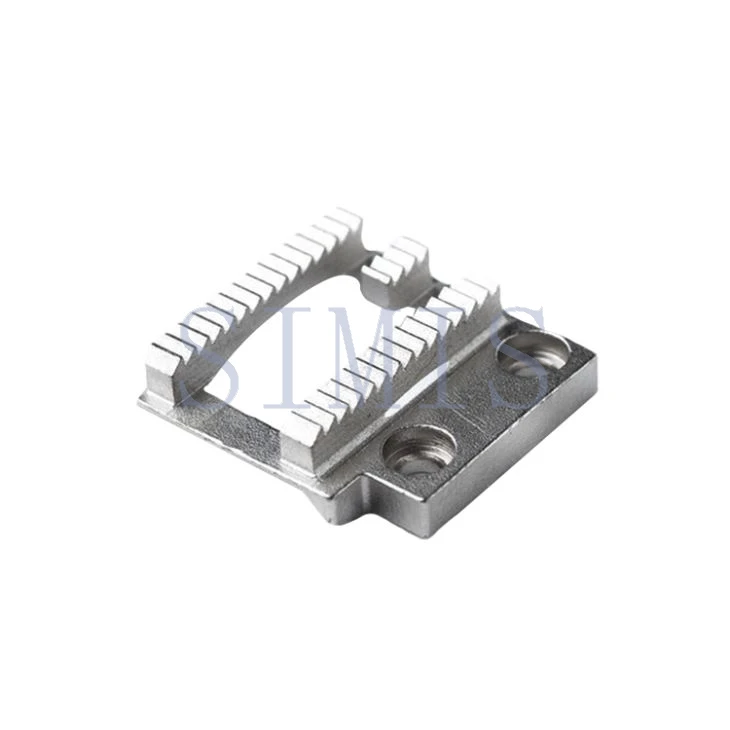
While our focus is on car exhaust flanges, it's interesting to note that similar casting techniques are used in other industries. For instance, Sewing Machine Casting and Fans Blades Casting also rely on precision casting methods. These industries, like the automotive industry, require high - quality cast components to ensure the proper functioning of their products.
Conclusion
In conclusion, car exhaust flanges are essential components in a vehicle's exhaust system. They perform multiple functions, including connection and sealing, alignment, structural support, heat dissipation, adaptability, and compatibility with other components. As a supplier of Car Exhaust Flanges, we understand the importance of providing high - quality flanges that meet the strict requirements of the automotive industry.
If you are in the market for car exhaust flanges or have any questions about our products, we encourage you to contact us for more information and to discuss your procurement needs. Our team of experts is ready to assist you in finding the right solutions for your specific applications.
References
- Automotive Exhaust Systems: Design, Performance, and Packaging by Richard Stone
- Handbook of Automotive Exhaust Systems by John Heywood