

Hey there! I'm a supplier in the aluminum die casting business. While aluminum die casting is super popular for loads of reasons, it ain't all sunshine and rainbows. In this blog, I'm gonna spill the beans on some of the disadvantages of aluminum die casting.
1. High Initial Tooling Costs
One of the biggest bummers about aluminum die casting is the high upfront tooling costs. To start the die - casting process, you need to create a custom mold, which is called a die. These dies are made from high - strength steel and are precision - machined to the exact specifications of the part you want to produce.
The cost of designing and manufacturing a die can range from a few thousand dollars to tens of thousands, depending on the complexity of the part. For small - scale producers or those just starting out, this can be a real barrier. You gotta be sure that you have enough orders to justify this expense. If you only need a small number of parts, the cost per part will be sky - high because you're spreading the cost of the die over a small production run.
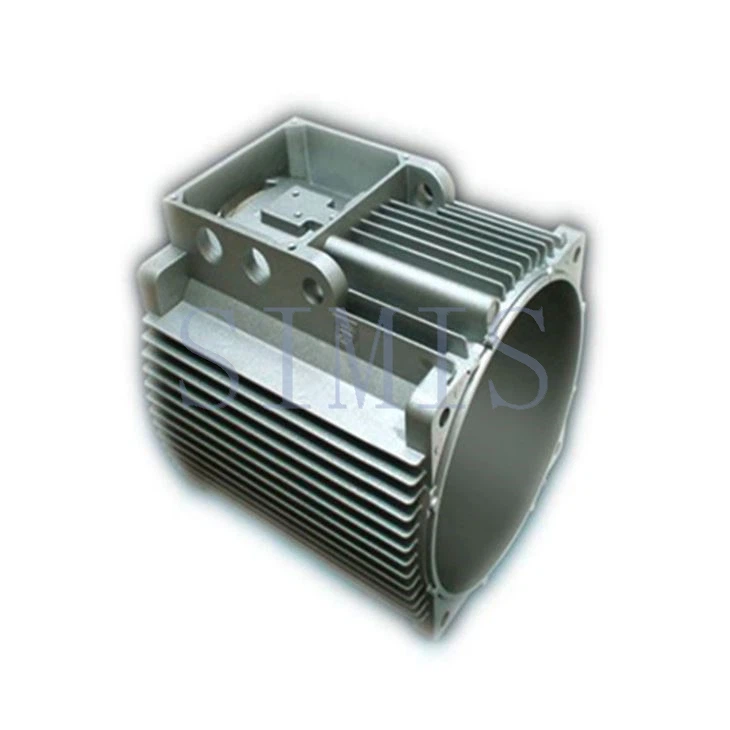
Let's say you're looking to produce a Die Casting Motor Base. The die for this base might be quite complex, with specific shapes and features to fit the motor properly. The money spent on creating that die is a significant investment right off the bat.
2. Limited Design Flexibility
Even though aluminum die casting can produce parts with relatively complex shapes, there are still some limitations. The design of the part has to be carefully considered to ensure that it can be ejected from the die smoothly. This means that undercuts, which are features that prevent the part from being removed from the die in a straight line, can be a real headache.
If you want to include undercuts in your design, you'll likely need to use more complex and expensive die - casting techniques or secondary operations. For example, you might have to use side - actions or slides in the die, which add to the cost and complexity of the tooling.
Also, the wall thickness of the part needs to be relatively uniform. If there are significant variations in wall thickness, it can lead to problems like uneven cooling and shrinkage, which can cause defects in the final part. So, if you have a design in mind that has very thin and very thick walls in different areas, you might run into issues with the die - casting process.
3. Porosity and Defects
Porosity is a common problem in aluminum die casting. It occurs when gas is trapped inside the molten aluminum as it solidifies. This can happen for several reasons, such as improper venting of the die, high injection speeds, or the presence of moisture in the raw materials.
Porosity can have a negative impact on the mechanical properties of the part. It can reduce the strength, ductility, and fatigue resistance of the aluminum casting. Parts with high porosity are more likely to fail under stress, which is a big no - no in applications where reliability is crucial, like automotive or aerospace components.
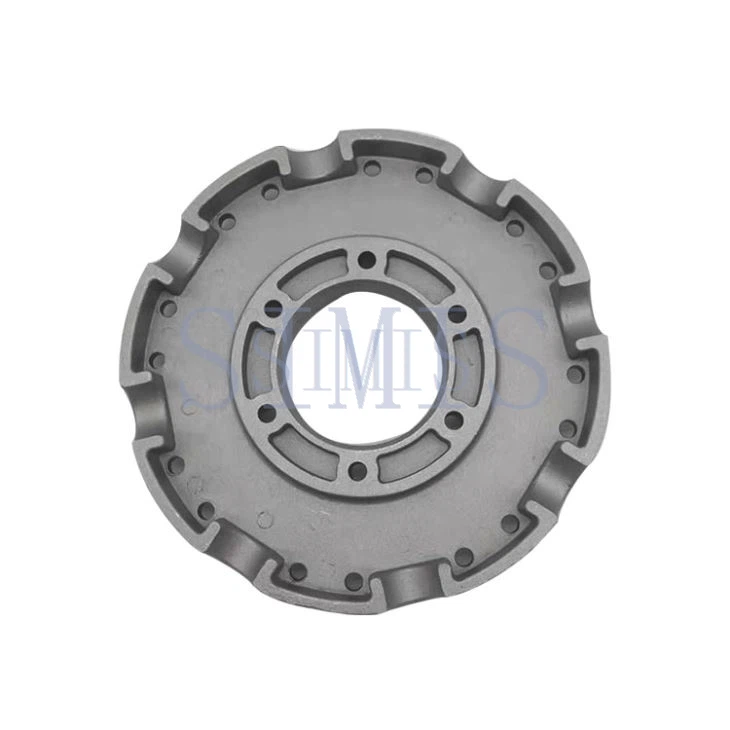
In addition to porosity, other defects can also occur. For example, cold shuts happen when two streams of molten aluminum meet in the die and don't fully fuse together. This can create a visible line or a weak spot in the part. Surface defects like flash, which is excess material that forms around the edges of the part, can also be an issue. Flash needs to be removed through secondary operations, which adds to the cost and time of production.
4. Environmental Concerns
Aluminum die casting can have some environmental drawbacks. The process requires a large amount of energy to melt the aluminum. The melting furnaces need to reach high temperatures, and this energy consumption contributes to greenhouse gas emissions.
Also, the use of certain chemicals and lubricants in the die - casting process can have an environmental impact. Some lubricants contain substances that are harmful to the environment if not properly managed. And the disposal of scrap aluminum and waste materials from the die - casting process needs to be handled carefully to avoid pollution.
Moreover, the mining and extraction of aluminum ore, which is the raw material for die casting, can have significant environmental consequences, including habitat destruction and water pollution.
5. Long Lead Times
Getting a die - cast part from the design stage to production can take a while. As I mentioned earlier, creating the die is a time - consuming process. It involves design, machining, and testing to ensure that it meets the required specifications.
Once the die is ready, there are still steps like setting up the die - casting machine, adjusting the process parameters, and conducting trial runs to make sure everything is working correctly. This means that if you have a tight deadline for a project, aluminum die casting might not be the best option.
For example, if you suddenly need a large number of Die Casting Motor Base for a new product launch in a short period, you might find that the lead times associated with die casting are too long, and you could miss your market window.
6. Cost of Secondary Operations
In many cases, die - cast parts require secondary operations to achieve the desired final surface finish, dimensions, or functionality. These operations can include machining, deburring, polishing, plating, and heat treatment.
Machining is often necessary to achieve precise dimensions or to add features that couldn't be included in the die - casting process. Deburring is used to remove any sharp edges or excess material from the part. Polishing can improve the appearance of the part, and plating can provide additional protection against corrosion.
Each of these secondary operations adds to the overall cost and time of production. For example, if you want to plate a die - cast aluminum part to give it a better - looking finish or to enhance its corrosion resistance, you'll need to factor in the cost of the plating process, the chemicals used, and the labor involved.
7. Sensitivity to Alloy Composition
The properties of the aluminum alloy used in die casting can have a big impact on the quality of the final part. Different aluminum alloys have different melting points, fluidity, and shrinkage characteristics. If the alloy composition is not carefully controlled, it can lead to problems in the die - casting process.
For instance, if the alloy has too much of a certain element, it can affect the fluidity of the molten aluminum, making it more difficult to fill the die completely. On the other hand, if the alloy composition is not right, it can also increase the likelihood of porosity and other defects.
Also, some alloys are more prone to cracking or distortion during the cooling process. So, choosing the right alloy for your specific application is crucial, but it can be a bit of a balancing act to get it just right.
8. High Maintenance Requirements
The die - casting equipment and dies themselves require regular maintenance. The dies are subject to wear and tear due to the high pressures and temperatures involved in the die - casting process. Over time, the surfaces of the dies can become damaged, which can affect the quality of the parts produced.
The die - casting machines also need to be maintained properly to ensure that they operate efficiently. This includes regular cleaning, lubrication, and inspection of the machine components. Any breakdowns or malfunctions in the equipment can lead to production delays and increased costs.
For example, if a die starts to show signs of wear and is not repaired or replaced in time, it can produce parts with defects, and you might have to scrap a whole batch of products. And if the die - casting machine breaks down, you'll have to stop production until it's fixed, which can be a costly interruption.
Despite these disadvantages, aluminum die casting still has many advantages, and it's a widely used manufacturing process. If you're considering using aluminum die casting for your project, it's important to weigh these drawbacks against the benefits.
If you're interested in learning more about our aluminum die - casting services or have a project in mind, don't hesitate to reach out. We can work together to find the best solutions for your specific needs and help you navigate through any potential challenges. Whether it's finding ways to reduce the impact of porosity or optimizing the design for cost - effective production, we're here to assist. So, let's start a conversation and see how we can make your project a success.
References
- "Aluminum Die Casting Handbook" by John Doe
- "Manufacturing Processes for Engineering Materials" by Smith, Jane
- Industry reports on aluminum die - casting trends and challenges