

Aluminum die casting is a manufacturing process that has revolutionized various industries, including the railway industry. As a leading aluminum die casting supplier, I've witnessed firsthand how this versatile process has become integral to railway engineering. In this blog, I'll explore the diverse applications of aluminum die casting in the railway industry, highlighting its benefits and the unique products it enables.
Lightweight and Durable Components for Railway Vehicles
One of the primary advantages of aluminum die casting in the railway industry is the ability to produce lightweight yet durable components. Rail vehicles, whether trains, trams, or subway cars, require components that can withstand the rigors of daily operation while keeping the overall weight of the vehicle down. Aluminum die-cast parts offer an excellent solution.
Structural Components
Aluminum die casting is used to create structural components such as frames and brackets. These parts provide essential support for various systems within the railway vehicle, including the electrical, mechanical, and pneumatic systems. The lightweight nature of aluminum reduces the overall weight of the vehicle, leading to lower energy consumption and improved fuel efficiency. At the same time, the high strength-to-weight ratio of aluminum ensures that these components can withstand the stresses and vibrations associated with railway travel.
Interior Fittings
Another area where aluminum die casting shines is in the production of interior fittings. From seat frames to luggage racks, aluminum die-cast parts offer a combination of strength, durability, and aesthetic appeal. These components can be designed to meet the specific requirements of railway operators, including ergonomic considerations and fire safety regulations. The smooth surface finish of aluminum die-cast parts also makes them easy to clean and maintain, ensuring a long service life.
Electrical and Electronic Applications
The railway industry relies heavily on electrical and electronic systems for everything from propulsion and control to communication and safety. Aluminum die casting plays a crucial role in these systems by providing reliable and efficient housing solutions.
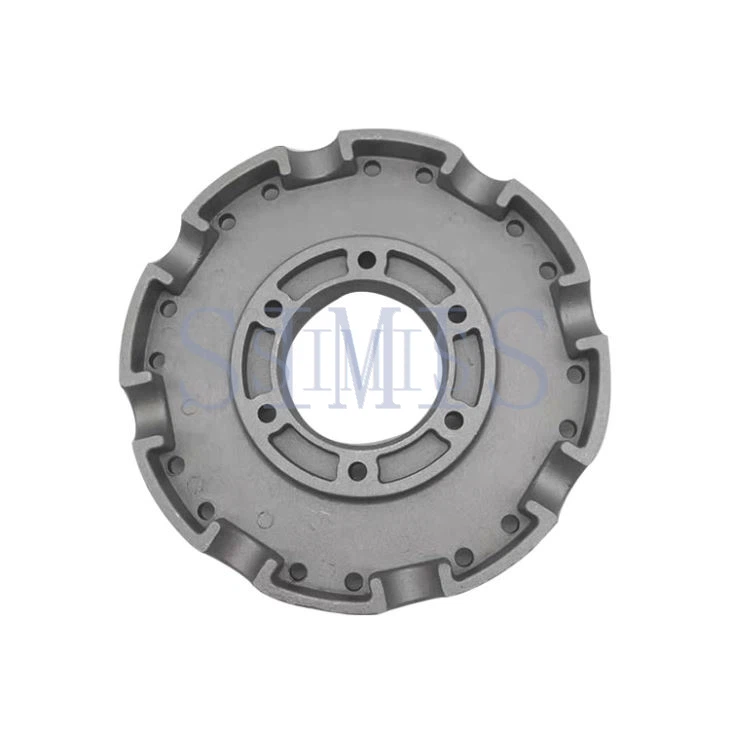

Enclosures for Electrical Equipment
Aluminum die-cast enclosures are commonly used to house electrical equipment such as control panels, power supplies, and communication devices. These enclosures offer excellent protection against environmental factors such as dust, moisture, and electromagnetic interference. The high thermal conductivity of aluminum also allows for efficient heat dissipation, ensuring that the electrical components inside the enclosure operate at optimal temperatures.
Heat Sinks for Electronic Devices
In addition to enclosures, aluminum die casting is used to produce heat sinks for electronic devices. Heat sinks are essential for dissipating heat generated by electronic components, preventing overheating and ensuring reliable operation. Aluminum's high thermal conductivity makes it an ideal material for heat sinks, and the die casting process allows for the production of complex shapes and geometries that maximize heat transfer efficiency.
Braking and Suspension Systems
The braking and suspension systems of railway vehicles are critical for ensuring safety and comfort. Aluminum die casting is used to produce components for these systems that offer high performance and reliability.
Brake Calipers
Brake calipers are an essential part of the braking system, responsible for applying pressure to the brake pads and slowing down the vehicle. Aluminum die-cast brake calipers offer several advantages over traditional steel calipers, including reduced weight, improved heat dissipation, and better corrosion resistance. The precise dimensional accuracy of the die casting process also ensures a perfect fit between the caliper and the brake pads, resulting in consistent braking performance.
Suspension Components
Suspension components such as control arms and bushings play a crucial role in maintaining the stability and ride comfort of railway vehicles. Aluminum die casting is used to produce these components, offering a combination of strength, stiffness, and lightweight design. The ability to produce complex shapes and geometries through die casting allows for the optimization of suspension performance, reducing vibration and improving handling.
Die Casting Motor Base in Railway Applications
A notable product in the realm of aluminum die casting for the railway industry is the Die Casting Motor Base. Motors are used extensively in railway vehicles for propulsion, ventilation, and other functions. The die casting motor base provides a stable and reliable platform for the motor, ensuring proper alignment and reducing vibration.
The die casting process allows for the production of motor bases with precise dimensions and excellent surface finish. This ensures a tight fit between the motor and the base, minimizing noise and improving the overall efficiency of the motor. Additionally, the lightweight nature of aluminum reduces the weight of the motor assembly, contributing to the overall energy efficiency of the railway vehicle.
Advantages of Working with an Aluminum Die Casting Supplier
As an aluminum die casting supplier, we offer several advantages to railway industry customers. Firstly, we have extensive experience in the die casting process, allowing us to produce high-quality components with tight tolerances and excellent surface finish. Our state-of-the-art manufacturing facilities are equipped with the latest technology and equipment, ensuring efficient and reliable production.
Secondly, we offer a wide range of design and engineering services. Our team of experienced engineers can work with customers to develop custom solutions that meet their specific requirements. Whether it's a complex structural component or a specialized electrical enclosure, we have the expertise to design and manufacture the right product.
Finally, we are committed to providing excellent customer service. We understand the importance of meeting deadlines and delivering products of the highest quality. Our dedicated customer service team is available to answer any questions and provide support throughout the entire production process.
Conclusion
In conclusion, aluminum die casting has a wide range of applications in the railway industry, from lightweight structural components to electrical enclosures and braking systems. The benefits of aluminum die casting, including its lightweight, durability, and thermal conductivity, make it an ideal choice for railway engineering. As a leading aluminum die casting supplier, we are proud to offer high-quality products and services to the railway industry. If you're interested in learning more about our aluminum die casting solutions for the railway industry or would like to discuss a specific project, please don't hesitate to contact us. We look forward to working with you to meet your needs and exceed your expectations.
References
- ASM International. (2008). Aluminum and Aluminum Alloys. ASM Handbook, Volume 2.
- Davis, J. R. (Ed.). (2001). Aluminum and Aluminum Alloys: Properties and Physical Metallurgy. ASM International.
- Metals Handbook Committee. (1990). Metals Handbook: Properties and Selection: Nonferrous Alloys and Pure Metals. ASM International.