

Hey there! As a supplier of Railway Steel Parts, I've seen firsthand the numerous benefits of using alloy steel in our products. Alloy steel is a game-changer in the railway industry, offering a range of advantages that make it the top choice for many applications. In this blog post, I'll break down these benefits and explain why alloy steel is so crucial for railway steel parts.
1. High Strength and Durability
One of the most significant advantages of alloy steel is its high strength. When you're dealing with railway parts, strength is non - negotiable. Trains are heavy, and the steel parts need to withstand enormous loads day in and day out. Alloy steel contains various alloying elements like chromium, nickel, and molybdenum, which enhance its strength properties.
For example, the axles of railway cars are under constant stress from the weight of the train and the forces generated during movement. Using alloy steel for these axles ensures that they can handle the load without deforming or breaking. This high strength also translates into durability. Alloy steel parts can last longer, reducing the frequency of replacements. This is a huge plus for railway operators as it cuts down on maintenance costs and downtime.
2. Resistance to Wear and Tear
Railway steel parts are subject to a lot of wear and tear. The wheels roll along the tracks, and the couplings connect and disconnect repeatedly. Alloy steel has excellent resistance to wear, which is essential in these high - friction environments.
The alloying elements in alloy steel form hard carbides and other compounds that make the surface of the steel more resistant to abrasion. For instance, the rails that trains run on are often made of alloy steel. The wear - resistant nature of alloy steel means that the rails can maintain their shape and integrity for a long time, even with the constant passage of heavy trains. This not only extends the lifespan of the rails but also improves the safety and smoothness of train operations.
3. Corrosion Resistance
Corrosion is a major concern in the railway industry, especially in areas with high humidity, saltwater exposure (near coastal regions), or industrial pollution. Alloy steel can be formulated to have good corrosion resistance.
Stainless alloy steels, which contain a significant amount of chromium, form a passive oxide layer on the surface. This layer acts as a barrier, preventing oxygen and water from reaching the underlying steel and causing corrosion. For example, some railway bridges and structural components are made of corrosion - resistant alloy steel. This protects them from rust and other forms of corrosion, ensuring the long - term stability and safety of the railway infrastructure.
4. Improved Toughness
Toughness is the ability of a material to absorb energy and deform plastically before fracturing. In the railway industry, where sudden impacts and dynamic loads are common, toughness is a vital property. Alloy steel offers improved toughness compared to regular carbon steel.
During train operations, there can be sudden stops, starts, or impacts from debris on the tracks. The railway steel parts need to be able to withstand these forces without shattering. Alloy steel's toughness allows it to absorb the energy from these impacts, reducing the risk of catastrophic failures. For example, the buffers and couplers on railway cars are made of alloy steel. Their toughness ensures that they can absorb the shock when trains connect or stop, protecting the cars and their contents.
5. Customizability
Alloy steel is highly customizable. By adjusting the types and amounts of alloying elements, we can tailor the properties of the steel to meet specific requirements.
If a railway project requires a part with high heat resistance, we can add elements like tungsten or vanadium to the alloy steel. On the other hand, if corrosion resistance is the main concern, we can increase the chromium and nickel content. This customizability is a huge advantage for us as a Railway Steel Parts supplier. We can work closely with our customers to develop alloy steel parts that are precisely suited to their needs.
6. Cost - Effectiveness in the Long Run
Although alloy steel may be more expensive than regular carbon steel initially, it offers cost - effectiveness in the long run. As mentioned earlier, its high strength, durability, wear resistance, and corrosion resistance mean that the parts last longer and require less maintenance.

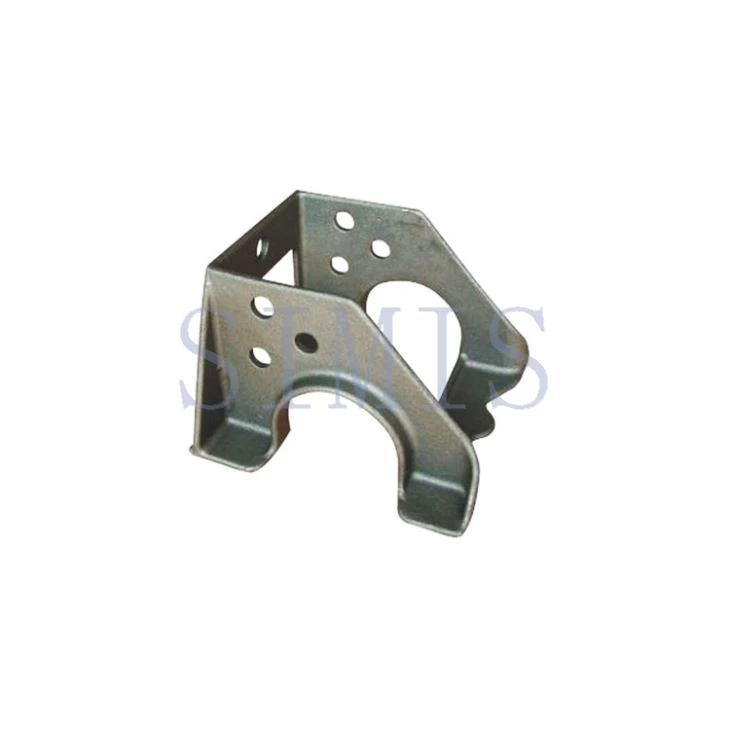
Railway operators save money on replacement parts, labor costs for maintenance, and downtime. For example, if a railway uses alloy steel rails instead of regular carbon steel rails, they'll spend less on rail replacements over time. This makes alloy steel a smart investment for any railway project.
Related Products and Links
If you're interested in other steel casting products, we also offer Construction Steel Casting, Elevator Wire Rope Socket, and Steel Casting for Truck. These products also benefit from the advantages of alloy steel and are widely used in their respective industries.
Conclusion
In conclusion, the advantages of using alloy steel for railway steel parts are clear. Its high strength, wear resistance, corrosion resistance, toughness, customizability, and long - term cost - effectiveness make it the ideal choice for the railway industry. As a Railway Steel Parts supplier, we're committed to providing high - quality alloy steel parts that meet the strictest standards.
If you're in the market for railway steel parts or have any questions about our products, feel free to reach out. We're here to help you find the best solutions for your railway projects. Let's start a conversation and see how we can work together to improve your railway operations.
References
- "The Handbook of Railway Engineering"
- "Materials Science and Engineering: An Introduction" by William D. Callister Jr. and David G. Rethwisch