

In the highly competitive manufacturing industry, optimizing the casting process of fans blades is crucial for enhancing efficiency, reducing costs, and ensuring product quality. As a dedicated Fans Blades Casting supplier, I have witnessed firsthand the impact of process optimization on business success. In this blog post, I will share some insights and strategies on how to optimize the fans blades casting process for maximum efficiency.
Understanding the Fans Blades Casting Process
Before delving into optimization strategies, it's essential to have a clear understanding of the fans blades casting process. Typically, the process involves several key steps: pattern making, mold assembly, melting and pouring, solidification, and finishing. Each step presents unique challenges and opportunities for improvement.
Pattern making is the initial stage where a replica of the fans blade is created. This pattern is usually made from wax or a similar material and serves as a template for the mold. The quality of the pattern directly affects the final shape and dimensions of the cast blade.
Mold assembly involves creating a mold around the pattern using a refractory material. The mold must be designed to withstand the high temperatures and pressures involved in the casting process. Proper mold design and assembly are critical for ensuring the integrity of the cast blade.
Melting and pouring are the next steps, where the alloy material is heated to its melting point and poured into the mold. The melting process must be carefully controlled to ensure the correct composition and temperature of the alloy. Pouring must be done precisely to avoid defects such as porosity and shrinkage.
Solidification occurs as the molten alloy cools and hardens within the mold. The rate of solidification can significantly impact the microstructure and mechanical properties of the cast blade. Controlling the solidification process is essential for achieving the desired quality and performance.
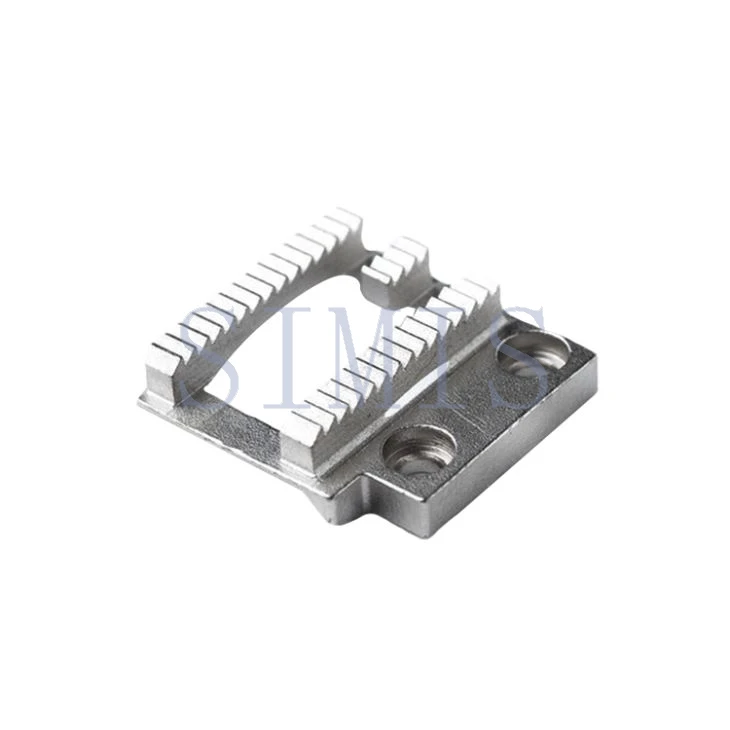

Finishing involves removing the cast blade from the mold, cleaning it, and performing any necessary machining or surface treatment. The finishing process can have a significant impact on the final appearance and functionality of the blade.
Strategies for Optimizing the Fans Blades Casting Process
1. Advanced Pattern Making Techniques
Investing in advanced pattern making techniques can significantly improve the accuracy and quality of the fans blades. Computer-aided design (CAD) and computer-aided manufacturing (CAM) technologies can be used to create highly precise patterns. 3D printing technology is also becoming increasingly popular for pattern making, as it allows for rapid prototyping and customization. By using these advanced techniques, we can reduce the time and cost associated with pattern making while improving the overall quality of the cast blades.
2. Mold Design Optimization
Proper mold design is crucial for ensuring the success of the casting process. The mold must be designed to allow for proper filling, venting, and solidification of the molten alloy. Advanced simulation software can be used to analyze the flow of the molten alloy within the mold and identify potential areas of concern. By optimizing the mold design, we can reduce the occurrence of defects such as porosity, shrinkage, and hot tears. Additionally, using high-quality mold materials and coatings can improve the durability and performance of the mold.
3. Melting and Pouring Control
Precise control of the melting and pouring processes is essential for achieving consistent and high-quality cast blades. Using advanced melting equipment, such as induction furnaces, can provide better control over the melting process, ensuring the correct composition and temperature of the alloy. Automated pouring systems can also be used to ensure accurate and consistent pouring, reducing the risk of human error. Additionally, implementing real-time monitoring and control systems can help detect and correct any issues during the melting and pouring processes.
4. Solidification Management
Managing the solidification process is critical for achieving the desired microstructure and mechanical properties of the cast blades. This can be achieved through proper mold design, cooling rate control, and the use of inoculants and modifiers. By controlling the solidification rate, we can reduce the formation of defects and improve the overall quality of the cast blades. For example, using chills or cooling channels in the mold can help control the cooling rate and promote directional solidification.
5. Quality Control and Inspection
Implementing a comprehensive quality control and inspection program is essential for ensuring the quality of the cast blades. This includes conducting regular inspections during the casting process, as well as performing final inspections on the finished blades. Non-destructive testing methods, such as ultrasonic testing and X-ray inspection, can be used to detect internal defects in the cast blades. By identifying and addressing any quality issues early in the process, we can reduce the cost of rework and scrap while improving customer satisfaction.
Case Studies: Success Stories in Fans Blades Casting Process Optimization
Over the years, we have successfully implemented these optimization strategies in our Fans Blades Casting operations. For example, by investing in advanced pattern making techniques, we were able to reduce the lead time for pattern production by [X]%. This not only allowed us to respond more quickly to customer orders but also reduced the overall cost of production.
In another case, by optimizing the mold design using simulation software, we were able to reduce the occurrence of porosity defects in our cast blades by [X]%. This resulted in a significant improvement in the quality of our products and a reduction in the number of rejected parts.
Conclusion
Optimizing the fans blades casting process is a continuous journey that requires a commitment to innovation, quality, and efficiency. By implementing the strategies outlined in this blog post, we can improve the accuracy, quality, and consistency of our cast blades while reducing costs and lead times. As a Fans Blades Casting supplier, we are dedicated to providing our customers with the highest quality products and services. If you are interested in learning more about our Fans Blades Casting capabilities or would like to discuss a potential project, please feel free to reach out to us. We look forward to the opportunity to work with you and help you achieve your goals.
For more information about our other casting products, such as Car Exhaust Flange and Sewing Machine Casting, please visit our website at Fans Blades Casting.
References
- Campbell, J. (2003). Castings. Butterworth-Heinemann.
- Flemings, M. C. (1974). Solidification processing. McGraw-Hill.
- Kalpakjian, S., & Schmid, S. R. (2008). Manufacturing engineering and technology. Pearson Prentice Hall.