

As a trusted supplier of Steel Casting For Truck, I've witnessed firsthand the profound impact that casting mold design has on the quality of steel castings for trucks. In this blog, I'll delve into the various aspects of casting mold design and how they influence the final product's quality.
Understanding the Basics of Casting Mold Design
Casting mold design is a critical process that involves creating a mold cavity that will be filled with molten steel to form the desired truck component. The design of the mold must take into account several factors, including the shape and size of the casting, the type of steel being used, and the casting process.
The mold design starts with a detailed analysis of the part's geometry. This includes considering features such as undercuts, draft angles, and wall thickness. Proper draft angles are essential to ensure that the casting can be easily removed from the mold without causing damage. Undercuts, on the other hand, can pose challenges during the molding and casting process and may require special design considerations.
Impact on Dimensional Accuracy
One of the most significant ways that casting mold design affects the quality of steel castings for trucks is in terms of dimensional accuracy. A well - designed mold will ensure that the final casting meets the specified dimensions within tight tolerances. This is crucial for truck components, as any deviation from the required dimensions can lead to fitment issues during assembly.
For example, in the case of Shift Fork Steel Casting, precise dimensions are necessary for the proper functioning of the transmission system. If the mold is not designed accurately, the shift fork may not engage correctly with other components, leading to gear - shifting problems and potential safety hazards.
The mold design also influences the shrinkage of the steel during solidification. Different types of steel have different shrinkage rates, and the mold must be designed to account for this. By accurately predicting and compensating for shrinkage, the mold designer can ensure that the final casting has the correct dimensions.
Surface Finish
The surface finish of a steel casting is another important quality factor, especially for truck components. A smooth surface finish not only enhances the aesthetic appeal of the part but also has functional benefits. For instance, components with a good surface finish are less likely to experience corrosion and wear.
Casting mold design plays a crucial role in achieving a high - quality surface finish. The texture and smoothness of the mold cavity directly transfer to the surface of the casting. A well - machined and polished mold will result in a casting with a smooth surface. Additionally, the design of the gating and riser systems in the mold can also affect the surface finish. Proper gating ensures that the molten steel fills the mold cavity evenly, reducing the likelihood of surface defects such as porosity and cold shuts.
Internal Quality
The internal quality of a steel casting is equally important as its external appearance and dimensional accuracy. Internal defects such as porosity, inclusions, and cracks can significantly weaken the casting and reduce its service life.
The design of the casting mold can help prevent these internal defects. For example, the placement and size of risers in the mold are crucial for feeding the molten steel to the casting as it solidifies. Risers act as reservoirs of molten metal, providing additional material to compensate for the shrinkage that occurs during solidification. A well - designed riser system ensures that the casting solidifies from the thinnest sections towards the risers, minimizing the formation of porosity.
Inclusions, which are foreign materials trapped in the casting, can also be controlled through proper mold design. The gating system should be designed to prevent the entry of slag and other impurities into the mold cavity. By using filters in the gating system, the quality of the molten steel entering the mold can be improved, reducing the likelihood of inclusions.
Influence on Production Efficiency
In addition to affecting the quality of the steel castings, casting mold design also has an impact on production efficiency. A well - designed mold can reduce the cycle time of the casting process, increase the yield of good - quality castings, and lower production costs.
For example, a mold with a simple and efficient gating and riser system will require less time to fill and solidify. This reduces the overall casting cycle time, allowing for more castings to be produced in a given period. Moreover, a mold that is designed for easy mold - making and assembly can also save time and labor costs during the production process.
Case Study: Steel Casting for Truck
Let's take a look at a real - world example of how casting mold design affects the quality of steel castings for trucks. Consider a truck axle housing casting. The axle housing is a critical component that must withstand high loads and stresses during the operation of the truck.
In the past, we had issues with dimensional inaccuracies and internal porosity in our axle housing castings. After a thorough analysis, we found that the mold design was the root cause of these problems. The gating system was not distributing the molten steel evenly, leading to uneven solidification and porosity. Additionally, the mold did not account for the shrinkage of the steel accurately, resulting in dimensional deviations.

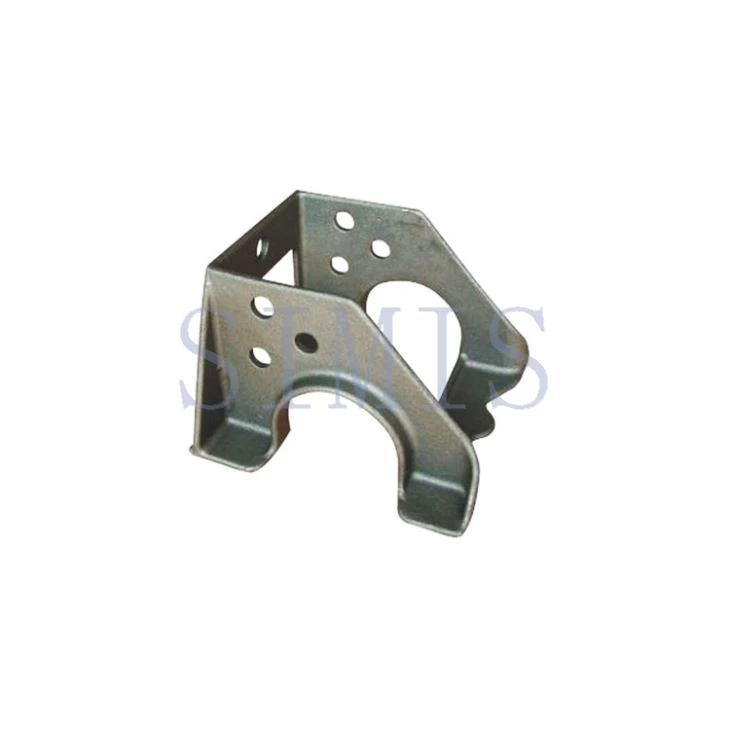
We redesigned the mold, optimizing the gating and riser systems. We also adjusted the dimensions of the mold cavity to compensate for the shrinkage of the steel. As a result, the quality of the axle housing castings improved significantly. The dimensional accuracy was within the required tolerances, and the internal porosity was reduced to an acceptable level. This not only improved the performance and reliability of the truck axles but also increased customer satisfaction.
Conclusion
In conclusion, casting mold design is a crucial factor that significantly affects the quality of steel castings for trucks. From dimensional accuracy and surface finish to internal quality and production efficiency, every aspect of the casting process is influenced by the design of the mold.
As a supplier of Steel Casting for Truck, we understand the importance of investing in high - quality mold design. By working closely with experienced mold designers and using advanced design tools and techniques, we can ensure that our steel castings meet the highest quality standards.
If you are in the market for high - quality steel castings for your trucks, including Shift Fork Steel Casting and Elevator Wire Rope Socket, we invite you to contact us for a detailed discussion about your requirements. Our team of experts is ready to provide you with the best solutions and ensure that you get the most reliable and cost - effective steel castings for your trucks.
References
- Campbell, J. (2003). Castings. Butterworth - Heinemann.
- Whelan, T. (2010). Steel Casting Handbook. ASM International.
- Flemings, M. C. (1974). Solidification Processing. McGraw - Hill.