

Hey there! As a supplier of high - quality Turbine Blades, I'm super stoked to share with you the nitty - gritty details of how turbine blades work in a steam turbine.

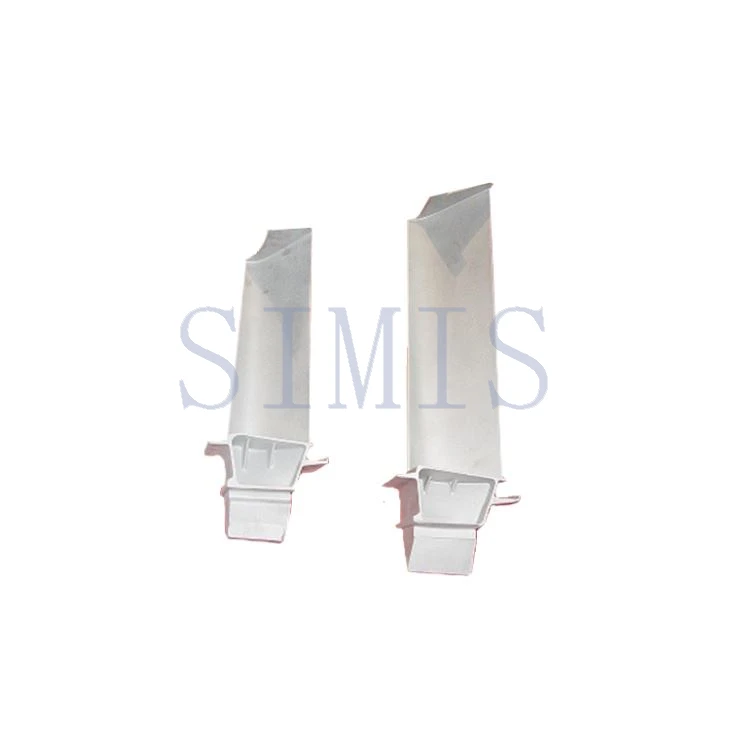
Let's start from the basics. A steam turbine is like the heart of many power plants, converting the thermal energy of steam into mechanical energy, which in turn can be used to generate electricity. And at the very core of this conversion process are the turbine blades.
The Components and Their Roles
First off, a steam turbine isn't just about the blades. It also has Nozzle Guide Vane and other important parts. The Nozzle Guide Vane is where the action begins. It's designed to direct the flow of high - pressure steam onto the turbine blades. Think of it as a traffic cop for steam, making sure it hits the blades at the right angle and speed.
When high - pressure steam enters the turbine, it passes through the Nozzle Guide Vane. The vane's shape and design accelerate the steam, increasing its velocity. This high - velocity steam then rushes towards the turbine blades.
How Turbine Blades Catch the Steam
Turbine blades are like small sailboats catching a strong wind. They have a special aerodynamic shape, which is carefully engineered. The steam, moving at high speed, hits the blades. As it does, the blades experience a force due to the change in the momentum of the steam.
The shape of the blades is such that it causes the steam to change its direction as it passes over and around them. According to Newton's third law of motion, for every action, there's an equal and opposite reaction. So, when the steam changes its direction on the blades, the blades experience a force that causes them to rotate.
Impulse and Reaction Blading
There are two main types of turbine blades based on how they operate: impulse blades and reaction blades.
Impulse Blades
Impulse blades work on the principle of impulse. In an impulse turbine, the steam is first accelerated through the Nozzle Guide Vane to a very high velocity. Then, this high - velocity steam hits the impulse blades. The blades are shaped like buckets. When the steam crashes into these buckets, it transfers its kinetic energy to the blades, causing them to spin.
The design of impulse blades is quite straightforward. They are usually made in a way that can withstand the high - impact forces of the incoming steam. One of the key advantages of impulse turbines is that they can operate at high rotational speeds and are great for applications where high power output is needed in a relatively small space.
Reaction Blades
Reaction blades, on the other hand, work on the principle of both impulse and reaction. In a reaction turbine, the steam doesn't just hit the blades but also expands as it passes through the blade passages. This expansion of steam creates a pressure difference across the blades.
The pressure difference generates a force on the blades, which, combined with the impulse force from the steam hitting the blades, causes them to rotate. Reaction blades are more efficient in converting the energy of the steam into mechanical energy, especially when dealing with lower - pressure steam.
The Material and Design Challenges
Making turbine blades is no easy feat. They have to work in some seriously harsh conditions. The steam in a turbine can be extremely hot, sometimes reaching temperatures of over 500 degrees Celsius. On top of that, the blades are spinning at incredibly high speeds, which subjects them to intense centrifugal forces.
To handle these conditions, turbine blades are made from superalloys. These are special materials that can maintain their strength and integrity at high temperatures. They also have excellent corrosion - resistance properties, which is crucial because the steam can sometimes contain impurities that could damage the blades.
The design of the blades is also a complex process. Engineers use advanced computer simulations to optimize the shape of the blades. They need to find the perfect balance between aerodynamics, strength, and durability. A small change in the blade's shape can have a big impact on its performance.
The Importance of Maintenance
Even with the best materials and designs, turbine blades need regular maintenance. Over time, the blades can wear out due to the continuous impact of steam and the high - stress environment. Small cracks or erosion on the blades can reduce their efficiency and even lead to more serious problems if not addressed.
One common maintenance procedure is to inspect the blades regularly for any signs of damage. This can be done using non - destructive testing methods, such as ultrasonic testing or X - ray inspection. If any damage is found, the blades may need to be repaired or replaced.
Our Role as a Turbine Blades Supplier
As a Turbine Blades supplier, we play a crucial role in the power generation industry. We're not just about making and selling blades. We work closely with our customers to understand their specific needs.
We offer a wide range of turbine blades, whether they're impulse blades for high - speed turbines or reaction blades for more efficient low - pressure operations. Our team of experts is always on hand to provide technical support, helping customers choose the right blades for their turbines.
We also invest a lot in research and development. We're constantly looking for new materials and manufacturing techniques to improve the performance and durability of our blades. This way, we can help our customers get the most out of their steam turbines.
Why Choose Us
When you choose us as your turbine blades supplier, you're not just getting a product. You're getting a partner who understands the technical challenges of steam turbines. We have a proven track record of delivering high - quality blades that meet the strictest industry standards.
Our blades are made using state - of - the - art manufacturing processes, ensuring consistent quality and performance. And if you ever have any questions or issues, our customer service team is always ready to assist you.
Come and Talk to Us
If you're in the market for turbine blades or just want to learn more about how they work in your steam turbines, we'd love to hear from you. Whether you're a power plant operator looking to upgrade your turbines or an engineer working on a new project, we have the expertise and products to meet your needs.
Get in touch with us to start a conversation. Let's work together to make your steam turbines run more efficiently and reliably. We're here to help you find the perfect turbine blades for your specific applications.
References
- “Steam Turbines: Principles and Design” by A. Stodola
- “Turbine Blades: Materials and Manufacturing” by various authors in Journal of Power Engineering