

As a supplier of Turbine Blades, I often get asked about how these crucial components are cleaned. Turbine blades play a vital role in the efficient operation of turbines, whether they're used in power generation, aviation, or other industries. Over time, these blades can accumulate dirt, debris, and other contaminants that can affect their performance. So, let's dive into the various methods of cleaning turbine blades.
Why Cleaning Turbine Blades is Essential
First off, let's understand why keeping turbine blades clean is so important. When dirt and debris build up on the blades, it can disrupt the smooth flow of air or steam around them. This, in turn, reduces the efficiency of the turbine, leading to increased fuel consumption and higher operating costs. Additionally, contaminants can cause corrosion and erosion of the blade material, which can shorten the lifespan of the blades and require more frequent replacements.
Visual Inspection Before Cleaning
Before starting the cleaning process, a thorough visual inspection of the turbine blades is necessary. This helps to identify the type and extent of contamination, as well as any signs of damage or wear. We use specialized equipment to get a detailed view of the blades, including borescopes and cameras. Once we have a good understanding of the situation, we can choose the most appropriate cleaning method.
Dry Cleaning Methods
One of the most common dry cleaning methods is the use of abrasive blasting. This involves propelling small abrasive particles at high speed onto the surface of the blades to remove dirt and debris. There are different types of abrasive materials that can be used, such as sand, aluminum oxide, and glass beads. The choice of abrasive depends on the type of contamination and the material of the blades.
Another dry cleaning technique is high - pressure air blasting. Compressed air is used to blow away loose dirt and debris from the blades. This method is relatively gentle and can be used for light contamination. It's also a great way to prepare the blades for further cleaning steps.
Wet Cleaning Methods
Wet cleaning is often more effective for removing stubborn contaminants. One widely used wet cleaning method is pressure washing. High - pressure water jets are directed at the blades to dislodge dirt and grime. Detergents or cleaning solutions can be added to the water to enhance the cleaning power. However, we need to be careful when using pressure washing, as excessive pressure can damage the blade's surface.
Immersion cleaning is another wet cleaning option. The turbine blades are completely submerged in a cleaning solution for a certain period of time. The solution works to dissolve and loosen the contaminants. After immersion, the blades are rinsed thoroughly to remove the remaining solution and dirt.
Chemical Cleaning
Chemical cleaning involves the use of specific chemicals to target different types of contaminants. For example, acidic solutions can be used to remove rust and scale, while alkaline solutions are effective against grease and oil. But the use of chemicals requires strict safety precautions, as they can be hazardous to both the environment and the operators. We always follow strict disposal procedures to ensure that the used chemicals do not cause any harm.
Ultrasonic Cleaning
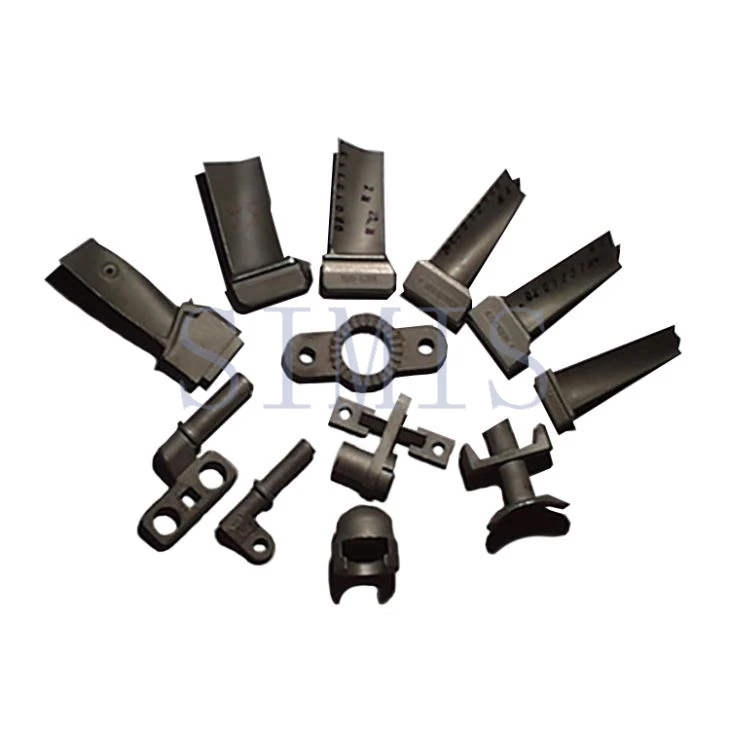
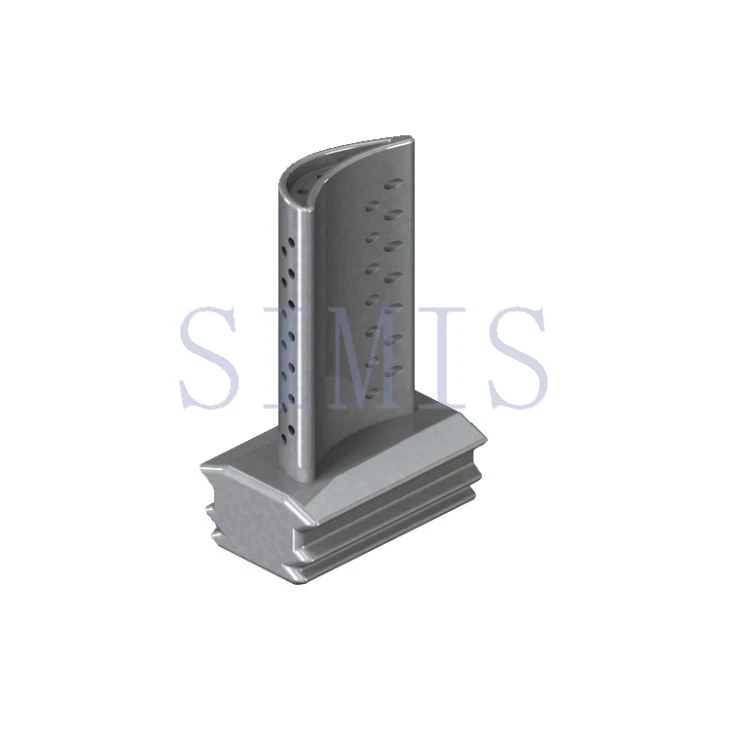
Ultrasonic cleaning is a more advanced method that uses high - frequency sound waves to create tiny bubbles in a cleaning liquid. These bubbles collapse near the surface of the turbine blades, creating a scrubbing action that can remove even the smallest contaminants. It's a very effective way to clean intricate parts of the blades, such as Nozzle Guide Vane, which may have hard - to - reach areas.
Post - Cleaning Steps
After the cleaning process, the turbine blades are inspected again to ensure that they are clean and free of any remaining contaminants. They are then dried thoroughly to prevent corrosion. Any necessary repairs or re - coating may also be carried out at this stage to restore the blades to their optimal condition.
Quality Control
Throughout the cleaning process, quality control is of utmost importance. We have strict quality control measures in place to ensure that the cleaned turbine blades meet the highest standards. This includes measuring the surface roughness, checking for any damage caused during cleaning, and verifying that the blades' performance characteristics are within the specified limits.
Our Expertise as a Turbine Blades Supplier
As a supplier of Turbine Blades, we have extensive experience in cleaning turbine blades. Our team of experts is well - trained in all the latest cleaning techniques and safety procedures. We use state - of - the - art equipment and high - quality cleaning agents to ensure the best results for our customers.
If you're in the market for high - quality turbine blades or need professional cleaning services for your existing blades, we'd love to hear from you. Whether you're an operator of power plants, an aerospace company, or any other industry that relies on turbines, our team is ready to provide you with top - notch products and services. Contact us to discuss your requirements and let's see how we can work together to keep your turbines running smoothly.
References
- "Turbine Blade Maintenance Handbook", Industry Press
- "Advanced Cleaning Technologies for Turbine Components", Research Journal of Industrial Engineering