

Do instrumentation parts need to be protected from dust? Well, let me tell you, as a supplier of instrumentation parts, this is a question I get asked a lot. And the answer is a resounding yes! Dust might seem like a minor nuisance, but it can actually cause some serious problems for your instrumentation parts.

First off, let's talk about what dust is. Dust is made up of all sorts of tiny particles - things like dirt, pollen, skin cells, and even tiny bits of fabric. These particles are so small that they can easily get into the tiniest of spaces, and that's exactly what they do when it comes to instrumentation parts.
One of the biggest issues with dust is that it can act like an abrasive. When dust particles get inside an instrument, they can rub against delicate components, causing wear and tear over time. This can lead to things like decreased accuracy, reduced performance, and even complete failure of the part. For example, in a precision measuring instrument, a small amount of dust can throw off the calibration, making the readings inaccurate. And if you're relying on that instrument for important work, like in a scientific experiment or in a manufacturing process, inaccurate readings can lead to some pretty big problems.
Another problem with dust is that it can cause overheating. Many instrumentation parts generate heat during operation, and they're designed to dissipate that heat in a certain way. But when dust builds up on these parts, it can act as an insulator, trapping the heat and preventing it from escaping. This can cause the temperature of the part to rise, which can damage the internal components. Overheating can also lead to a shorter lifespan for the part, as the high temperatures can cause the materials to degrade more quickly.
Dust can also cause electrical problems. In electrical instrumentation parts, dust can accumulate on the contacts and connections, creating a barrier that can interfere with the flow of electricity. This can lead to things like intermittent electrical connections, which can cause the instrument to malfunction or even stop working altogether. And in some cases, the buildup of dust can even cause a short circuit, which can be extremely dangerous and can damage not only the instrument but also other equipment in the vicinity.
So, how do we protect instrumentation parts from dust? Well, there are a few different methods. One of the most basic ways is to keep the environment clean. This means regularly cleaning the area where the instruments are stored and used, using things like vacuum cleaners and dusters to remove dust from surfaces. It's also a good idea to use air filters in the room to help trap dust particles before they can settle on the instruments.
Another option is to use protective enclosures. These are special cases or covers that are designed to keep dust out of the instrumentation parts. There are all sorts of different types of enclosures available, from simple plastic covers to more sophisticated sealed boxes. The type of enclosure you choose will depend on the specific needs of the instrument and the environment in which it's used.
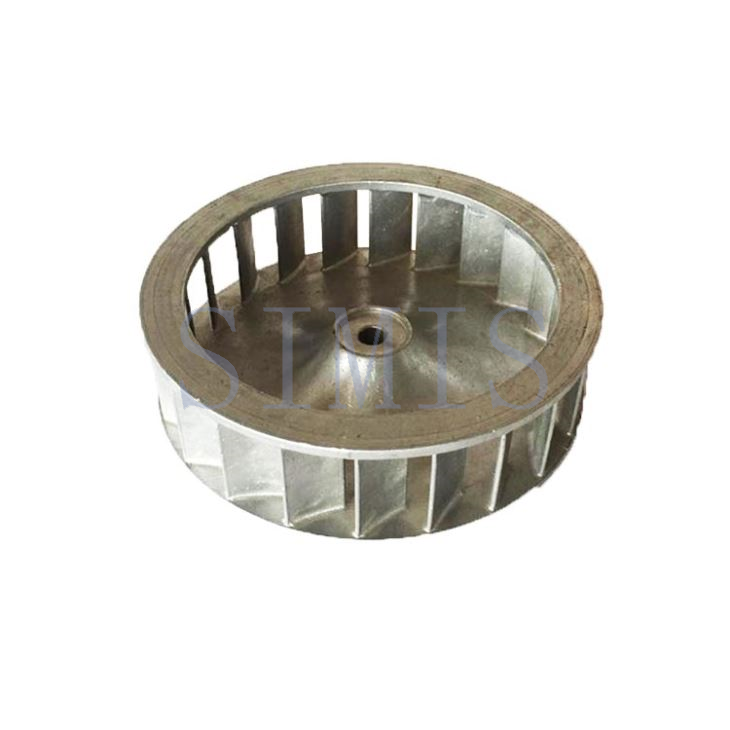
We also offer a range of products that are designed to be more dust-resistant. For example, we have Aluminum Electrical Fittings that are made with a special coating that helps to repel dust. These fittings are not only more resistant to dust but also more durable and reliable. And if you're looking for something like an Aluminum Impeller Casting, we have options that are designed to be sealed and protected from dust. Our Aluminum Turbine products are also engineered to minimize the risk of dust ingress, ensuring optimal performance and longevity.
In addition to these physical protection methods, it's also important to have a regular maintenance schedule. This includes things like cleaning the instruments regularly, checking for any signs of dust buildup or damage, and replacing any worn or damaged parts. By keeping on top of maintenance, you can catch any potential problems early and prevent them from turning into major issues.
As a supplier of instrumentation parts, we understand the importance of protecting these parts from dust. That's why we offer a wide range of high-quality products that are designed to be as dust-resistant as possible. And we're always happy to provide advice and support on how to best protect your instrumentation parts.
If you're in the market for instrumentation parts or need more information on how to protect them from dust, don't hesitate to get in touch. We're here to help you find the right solutions for your needs and to ensure that your instrumentation parts perform at their best for as long as possible.
References
- "Handbook of Instrumentation and Control Engineering"
- "Dust and Particle Contamination in Electrical Equipment" - Journal of Electrical Engineering