

Hey there! I'm a supplier in the superalloy casting business, and today, I wanna chat with you about whether superalloy casting waste can be recycled. It's a question that's been on the minds of many in our industry, and I've got some insights to share.
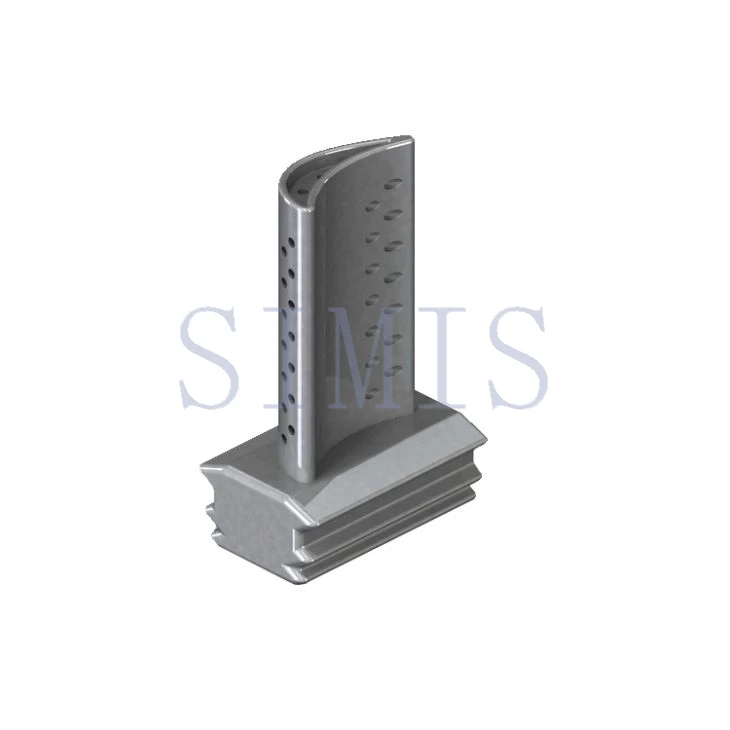
First off, let's talk about what superalloys are. Superalloys are a group of metals that have excellent high - temperature strength, corrosion resistance, and creep resistance. They're used in some of the most demanding applications, like Turbine Blades and Nozzle Guide Vane. These parts are crucial in the aerospace and power generation industries, where they operate under extreme conditions.
As a superalloy casting supplier, I see a fair amount of waste generated in the manufacturing process. There are things like scraps from machining, defective castings, and leftover materials from the melting process. At first glance, it might seem like this waste is just that - waste. But in reality, a significant portion of it can actually be recycled.
One of the main reasons why superalloy casting waste can be recycled is the value of the metals themselves. Superalloys often contain expensive elements like nickel, cobalt, and chromium. Recycling these materials not only saves money on raw materials but also reduces the environmental impact associated with mining and refining new metals.
The recycling process for superalloy casting waste isn't a walk in the park. It's a complex operation that requires specialized equipment and expertise. First, the waste needs to be sorted and cleaned to remove any contaminants. Then, it's melted down in a high - temperature furnace. During the melting process, additional refining steps are taken to ensure that the recycled superalloy meets the required quality standards.
In my experience, the key to successful recycling is to partner with a reliable recycling company. These companies have the knowledge and technology to handle superalloys properly. They can analyze the composition of the waste, determine the best recycling methods, and ensure that the recycled product is of high quality.
Another aspect to consider is the cost - effectiveness of recycling. While recycling superalloy casting waste does have initial costs, in the long run, it can be a smart financial move. By reducing the need for new raw materials, you can save on material costs. Additionally, some regions offer incentives for recycling, which can further offset the costs.

But it's not all sunshine and rainbows. There are some challenges in recycling superalloy casting waste. One of the biggest issues is the presence of impurities. Over time, the superalloy may have absorbed various elements during its use or the manufacturing process. Removing these impurities to a level that allows for high - quality recycling can be difficult and costly.
Also, the market for recycled superalloys can be a bit unpredictable. Sometimes, there's high demand, and recycled materials can fetch a good price. Other times, the market might be saturated, or the price of new raw materials might be so low that recycling becomes less attractive.
Despite these challenges, I'm still a firm believer in the potential of recycling superalloy casting waste. As a supplier, I've seen firsthand the benefits it can bring. Not only does it make good business sense, but it also aligns with the growing trend towards sustainable manufacturing.
If you're in the market for superalloy castings, whether it's for turbine blades or nozzle guide vanes, consider the environmental impact of your purchase. By choosing a supplier who is committed to recycling, you're not only getting a high - quality product but also contributing to a more sustainable future.
And if you're interested in learning more or discussing a potential purchase, don't hesitate to reach out. I'm always happy to chat about superalloys, recycling, and how we can meet your specific needs. Whether you're a small business or a large corporation, we've got the expertise to provide you with the best superalloy casting solutions.
In conclusion, superalloy casting waste can definitely be recycled. It's a complex process with its own set of challenges, but the benefits are substantial. From cost savings to environmental sustainability, recycling is a win - win for everyone involved. So, let's embrace this opportunity and make our industry more sustainable one superalloy casting at a time.
References
- Metals Handbook: Superalloys, ASM International
- Journal of Materials Science and Technology: Research on recycling methods of superalloy waste
- Industry reports on the market trends of superalloys and recycled metals